
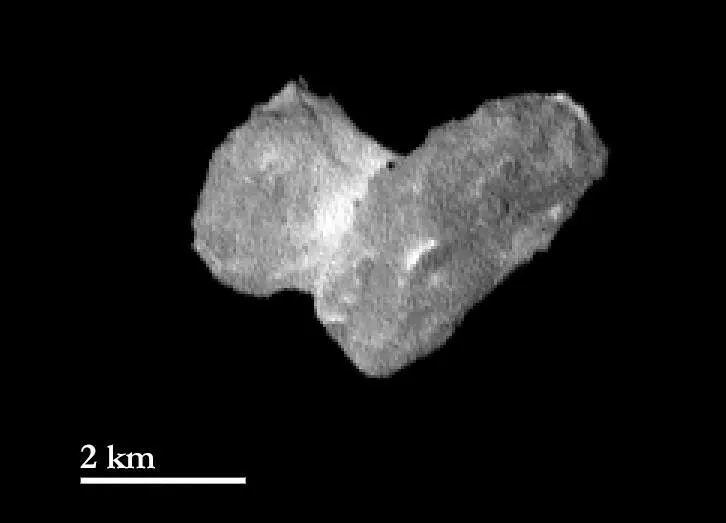
Comets and asteroids are small Solar System bodies, but they are not the same. Their composition, typical locations and behavior near the Sun reflect different formation environments in the young Solar System.
Both are leftovers from Solar System formation
Comets and asteroids are small bodies that preserve material from the early history of the Solar System. They never grew into full planets, which makes them valuable records of ancient conditions.
Their different compositions are linked to where and under what temperatures they formed billions of years ago.
Asteroids are generally rockier
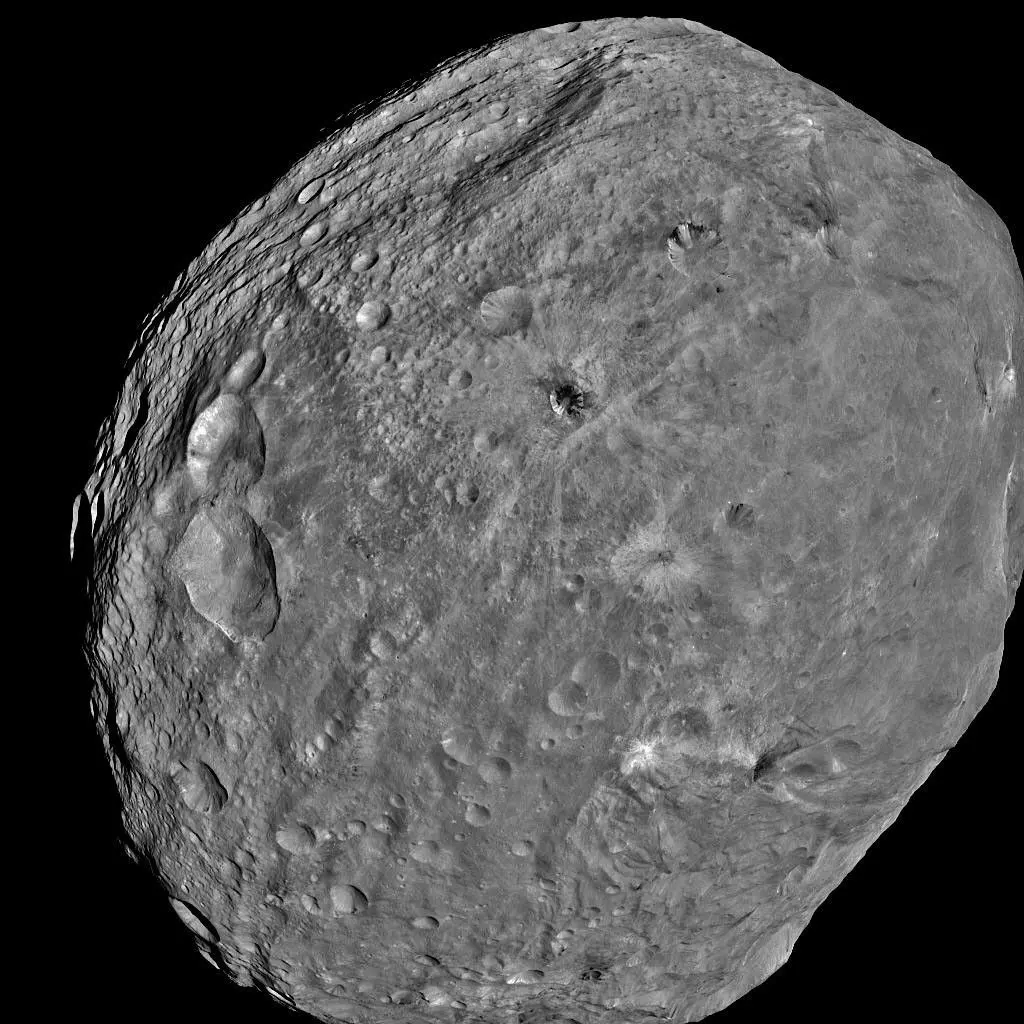
Many asteroids are made mostly of rock and metal. Large numbers orbit in the asteroid belt between Mars and Jupiter, although asteroids can also follow many other paths around the Sun.
Some pass relatively close to Earth, which is why near-Earth objects are carefully tracked.
Comets contain more volatile material
Comets formed in colder regions and contain ices mixed with dust and rock. When a comet approaches the Sun, its ices can turn directly into gas and release dust, creating a glowing atmosphere called a coma.
This activity can transform a small dark nucleus into a much larger and brighter object when viewed from Earth.
Why comets grow tails
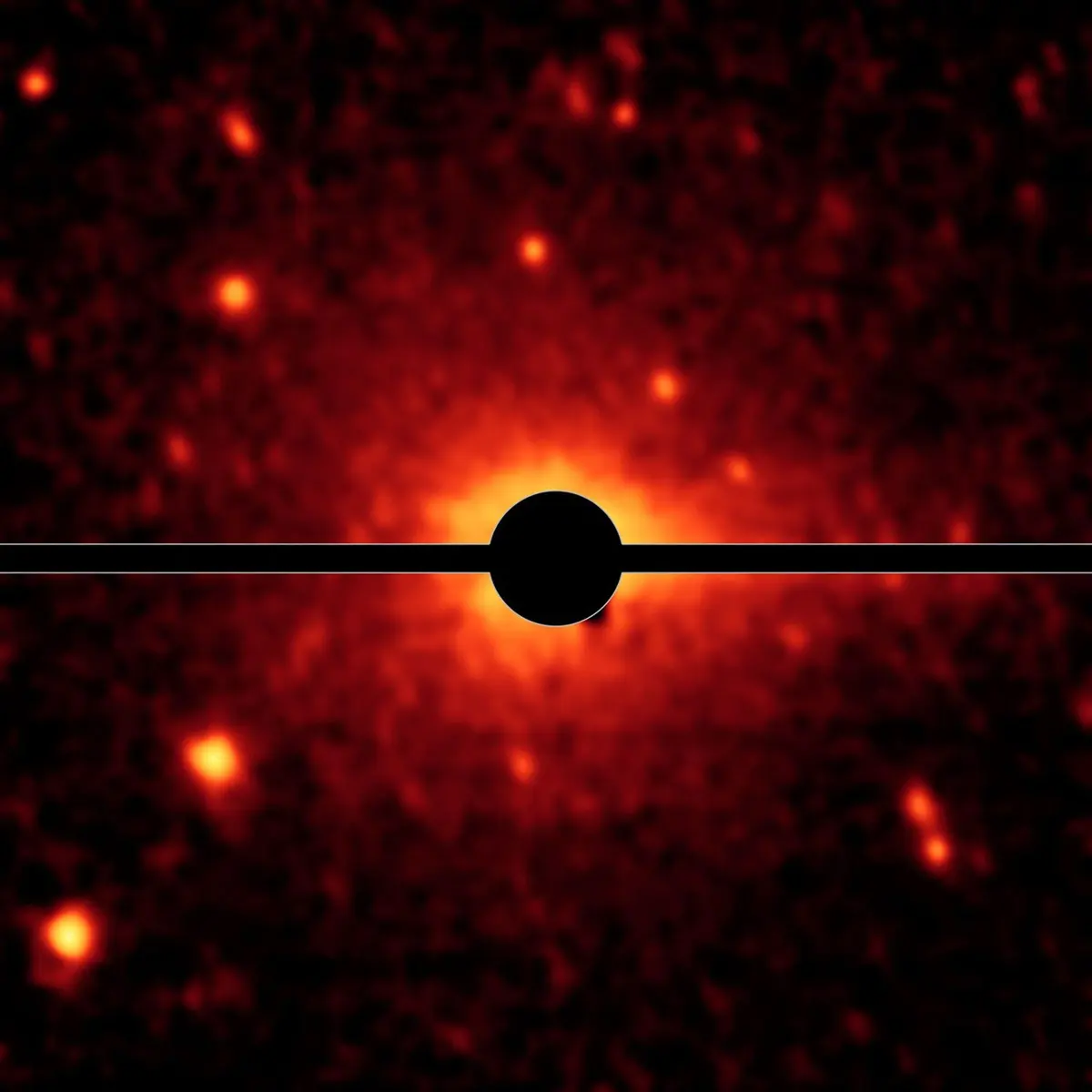
Sunlight and the solar wind push gas and dust away from the comet. This creates tails that point generally away from the Sun. The tail is not simply trailing behind the comet like exhaust from an aircraft.
A comet can develop more than one tail because charged gas and dust respond differently to solar radiation and the solar wind.
Why scientists study both
Asteroids and comets provide clues about the ingredients present when planets formed. Space missions that visit or return samples from these objects can reveal chemistry that is difficult to study remotely.
Comparing rocky asteroids with ice-rich comets helps scientists test models of how material moved and mixed across the early Solar System.
FAQ
Are all asteroids found in the asteroid belt?
No. Many are there, but asteroids can occupy a wide range of orbits, including near-Earth paths.
Why do comets become bright near the Sun?
Solar heating releases gas and dust from their icy surfaces, creating a coma and tails.
Can an asteroid have ice?
Yes. The simple rock-versus-ice distinction is useful, but real small bodies can contain mixtures of materials.