Astronomy Basics
Cosmic Latte: Why Astronomers Say the Average Color of the Universe Is Beige
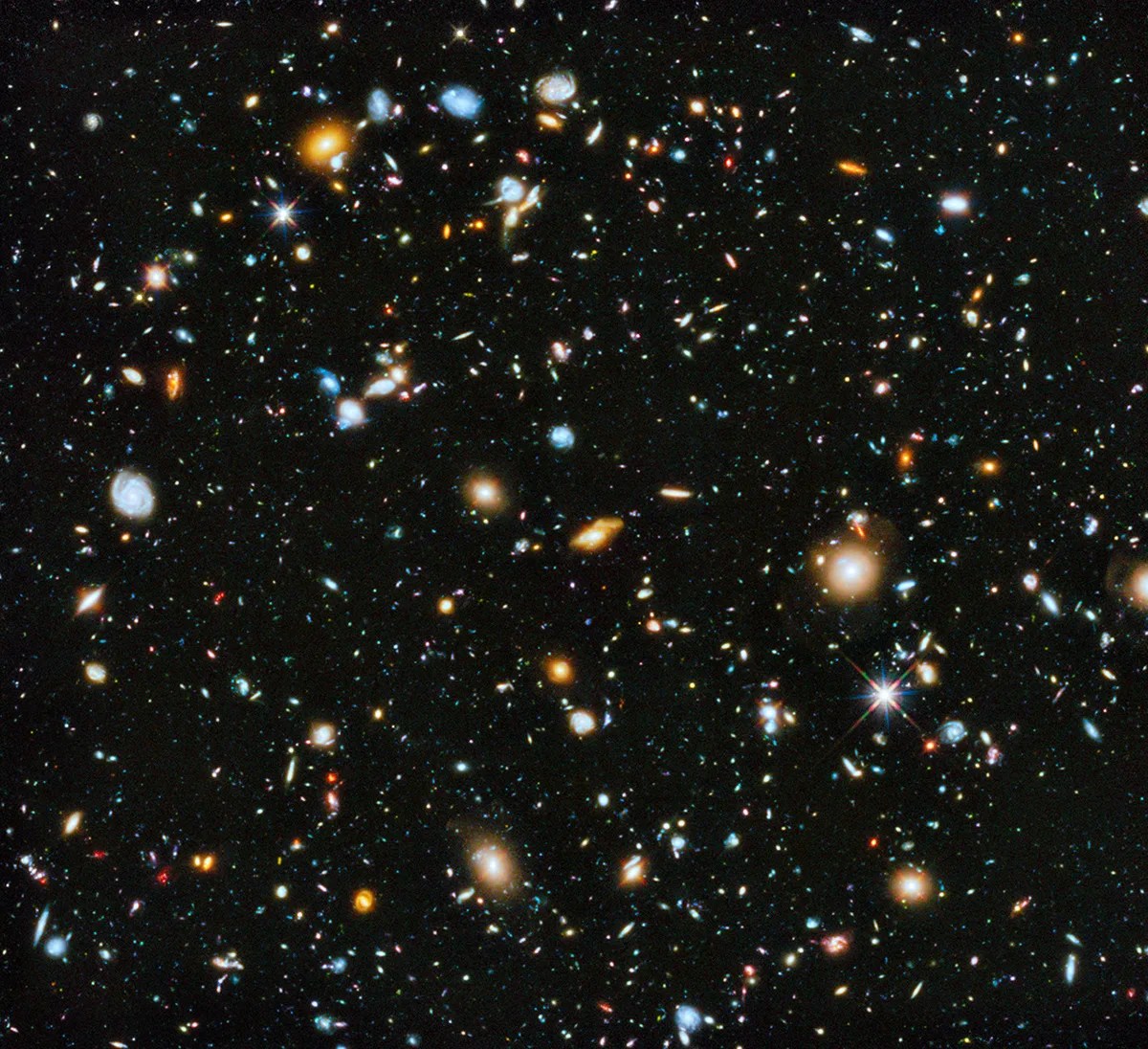
Astronomers averaged the light from about 200,000 galaxies and found a pale beige composite color nicknamed cosmic latte.

Fresh astronomy guides with useful explanations, clean visuals and simple navigation. Newest articles are shown first.
Astronomers averaged the light from about 200,000 galaxies and found a pale beige composite color nicknamed cosmic latte.

ESA’s JUICE spacecraft skimmed past Earth on September 28, 2026, using gravity to change course and gain speed for its journey to Jupiter.

NASA’s October skywatching notes highlight Algol, the Witch Head Nebula and other seasonal targets for autumn stargazing.
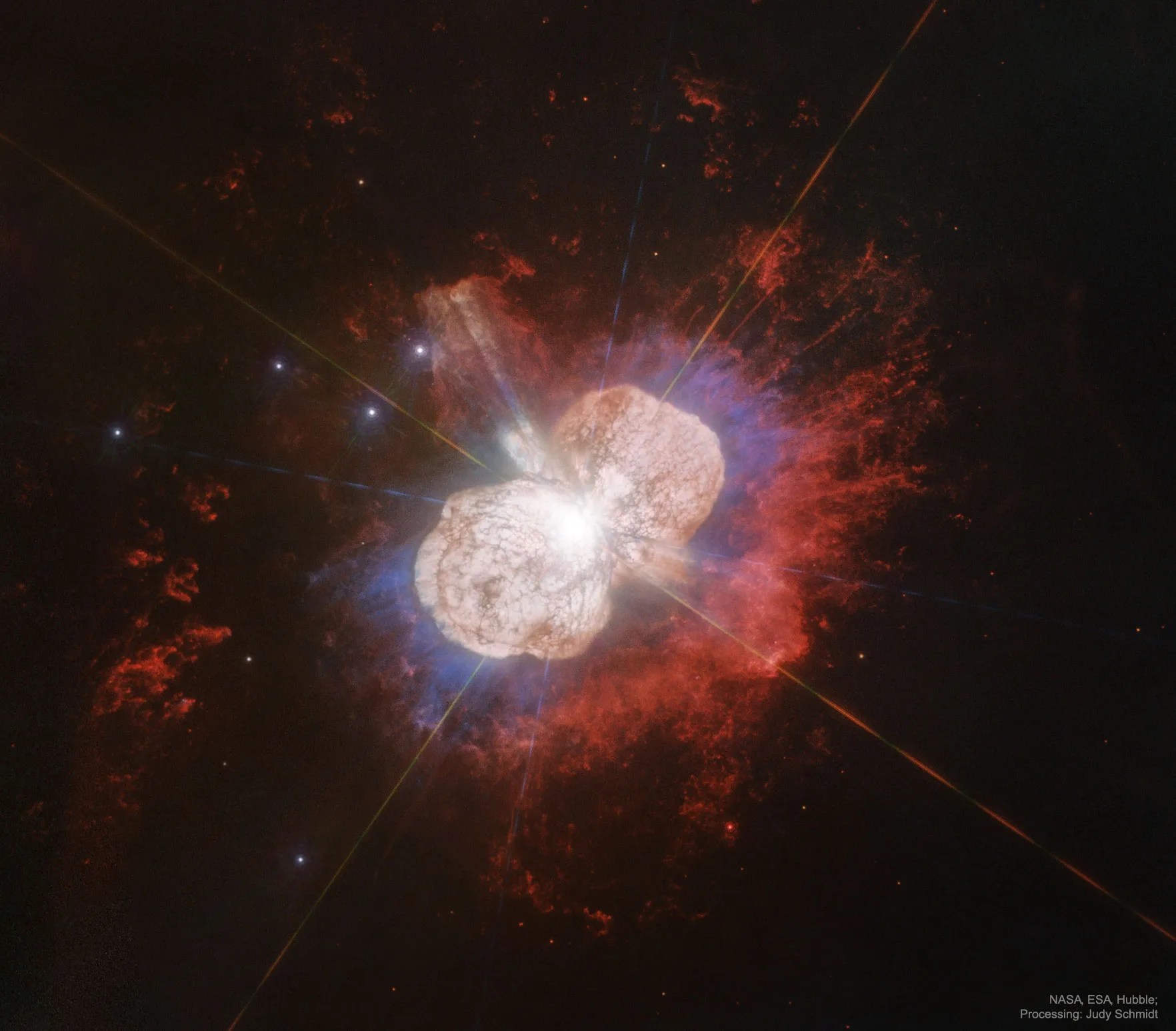
XZ Andromedae is an Algol-type eclipsing binary whose brightness drops when its cooler star passes in front of its hotter companion. Light-curve studies also hint that more stars may orbit the system.

Zodiacal light is sunlight scattered by interplanetary dust. A 2026 view from the Hanle Dark Sky Reserve shows the faint glow stretching upward through the night sky with Jupiter, Mars and M44 nearby.

The Cocoon Nebula, IC 5146, glows at the end of a long dark cloud in Cygnus. A wide-field view reveals both the bright stellar nursery and dusty filaments where new stars are still forming.

Messier 33 is a face-on spiral galaxy about 3 million light-years away. Its blue star clusters, pink nebulae and giant NGC 604 region make it one of the Local Group’s most active nearby galaxies.
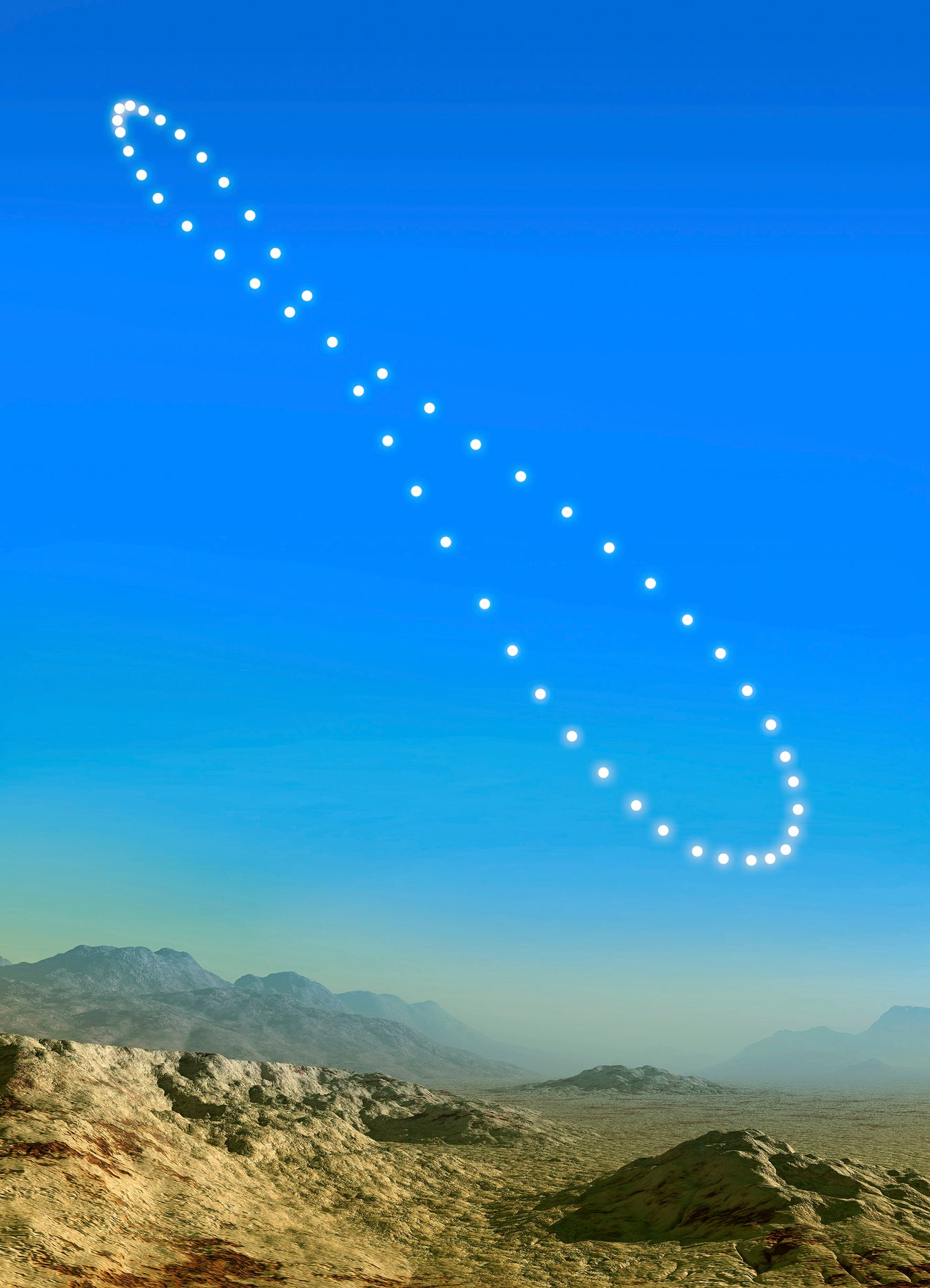
Photographing the Sun from the same place at the same time over many months reveals an analemma—a figure-8 pattern caused by Earth’s axial tilt and elliptical orbit.
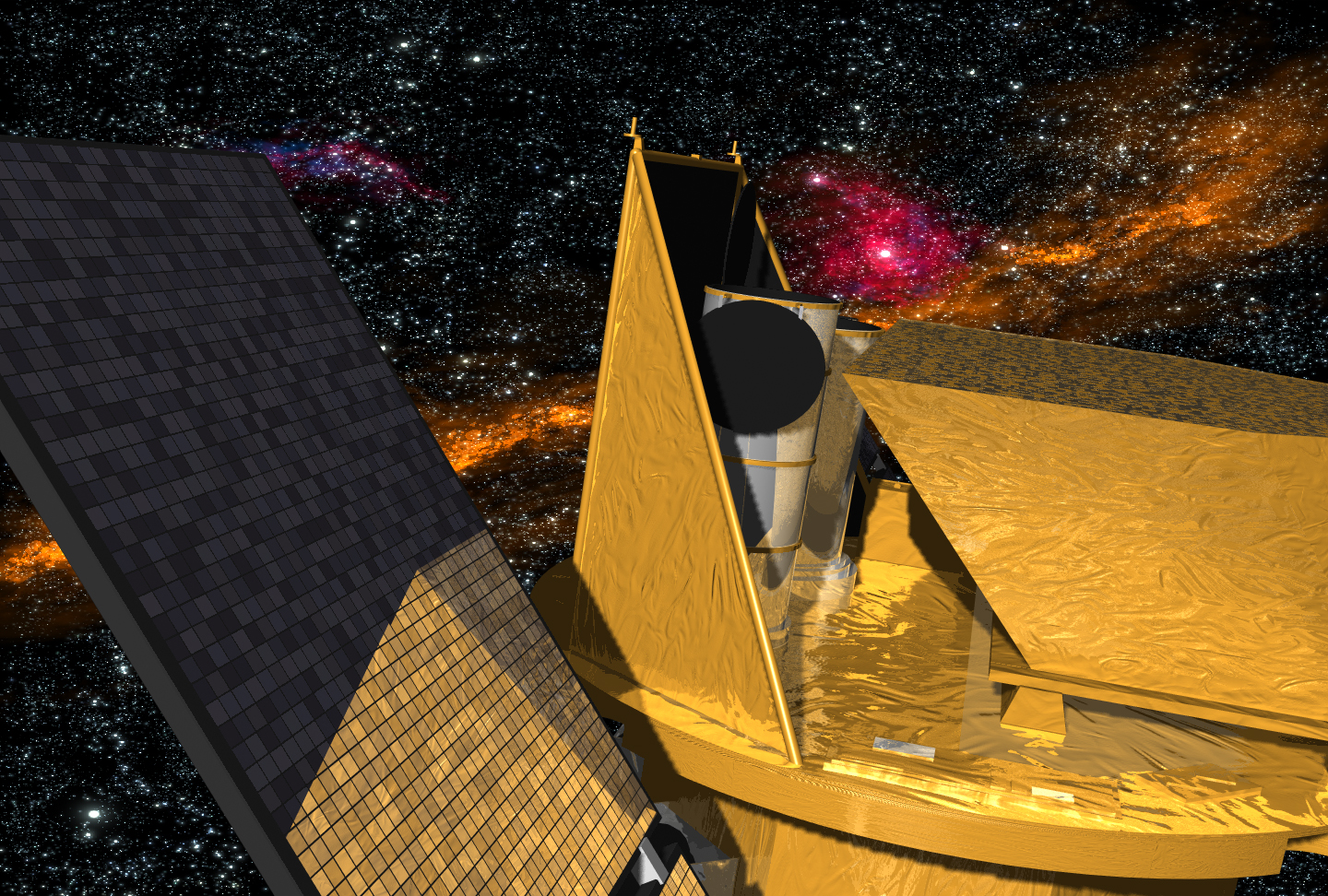
Swift has restored its Burst Alert Telescope and automatic gamma-ray burst slewing, returning the observatory to full three-instrument science operations.

A new NASA study shows that Jezero Crater’s Margin Unit records several different episodes of ancient water, from groundwater to lake conditions and later hot fluids.

Astronomers confirmed Elias 2-24 b as a world less than one million years old, still embedded in the disk where planets are forming around its star.

Webb’s infrared view of Messier 64 exposes warm dust and active star-forming regions where two gas systems rotate in opposite directions.
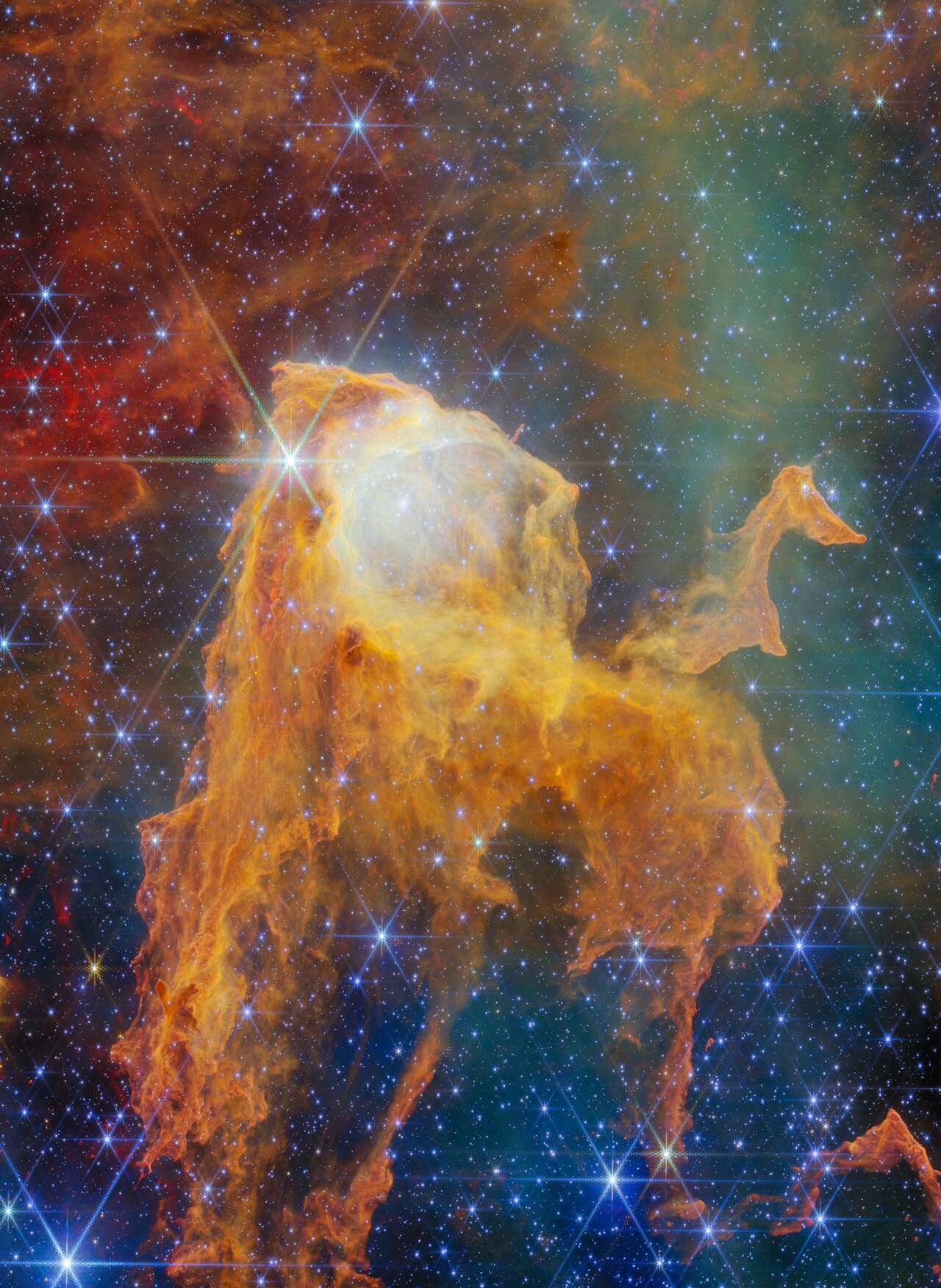
Webb’s NIRCam peers into a dusty Carina Nebula globule containing about 70 young stars in a cluster estimated to be around 1.3 million years old.

A lower-redshift spiral nicknamed the Saguaro may show how some mysterious Webb “little red dots” are connected to obscured active galactic nuclei and hidden host galaxies.
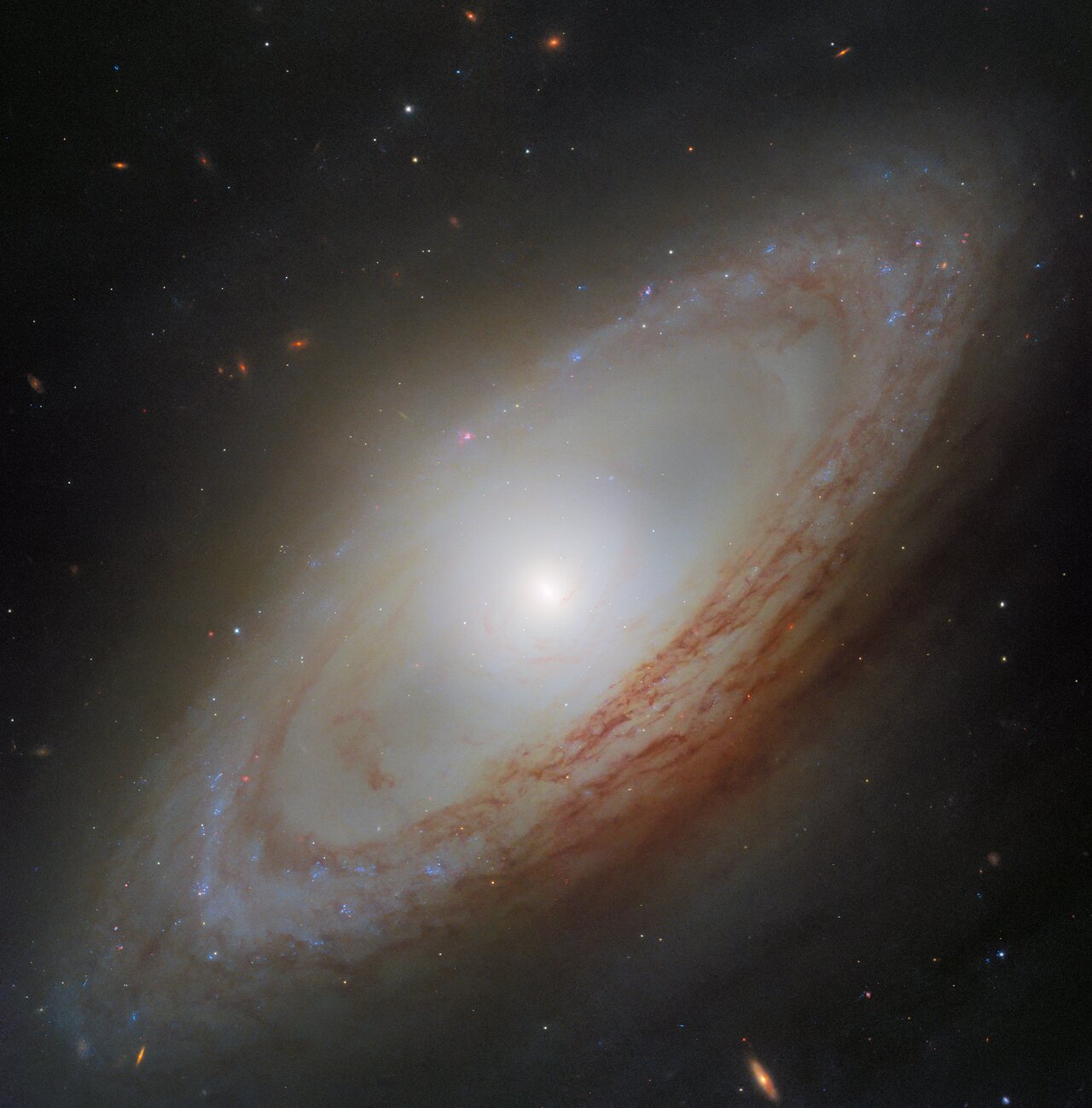
Hubble’s new view of NGC 4698 reveals a Virgo Cluster spiral whose central stars and gas rotate at right angles to its main disk, hinting at a complex past.

NASA’s Lunar Reconnaissance Orbiter found McGetchin crater, a 728-foot-wide impact scar formed in 2024 and surrounded by a surprising nighttime cold spot.
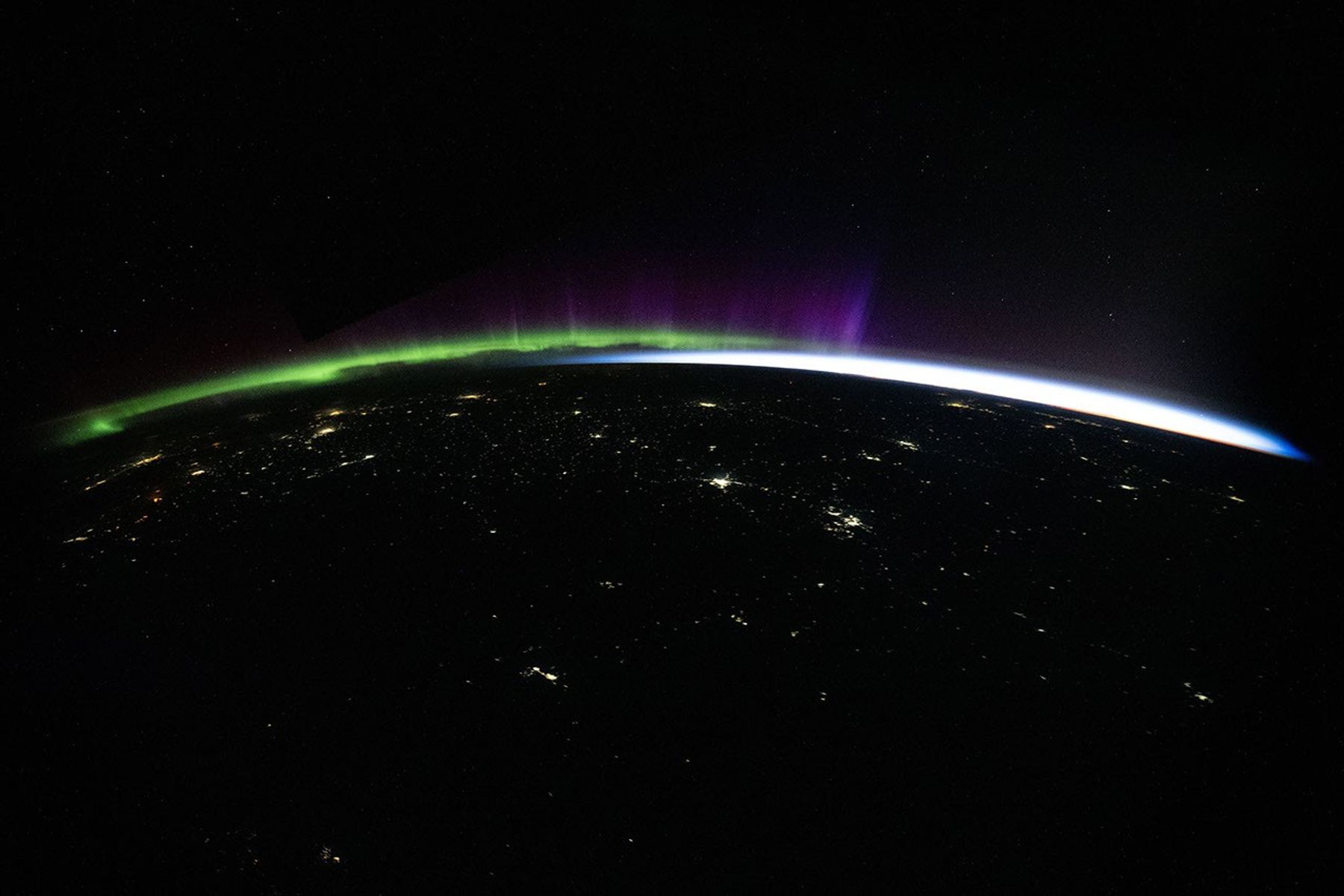
An astronaut photographed a vivid green-and-purple aurora from the ISS on September 7, 2026. Here is what creates the colors and why equinox season matters.
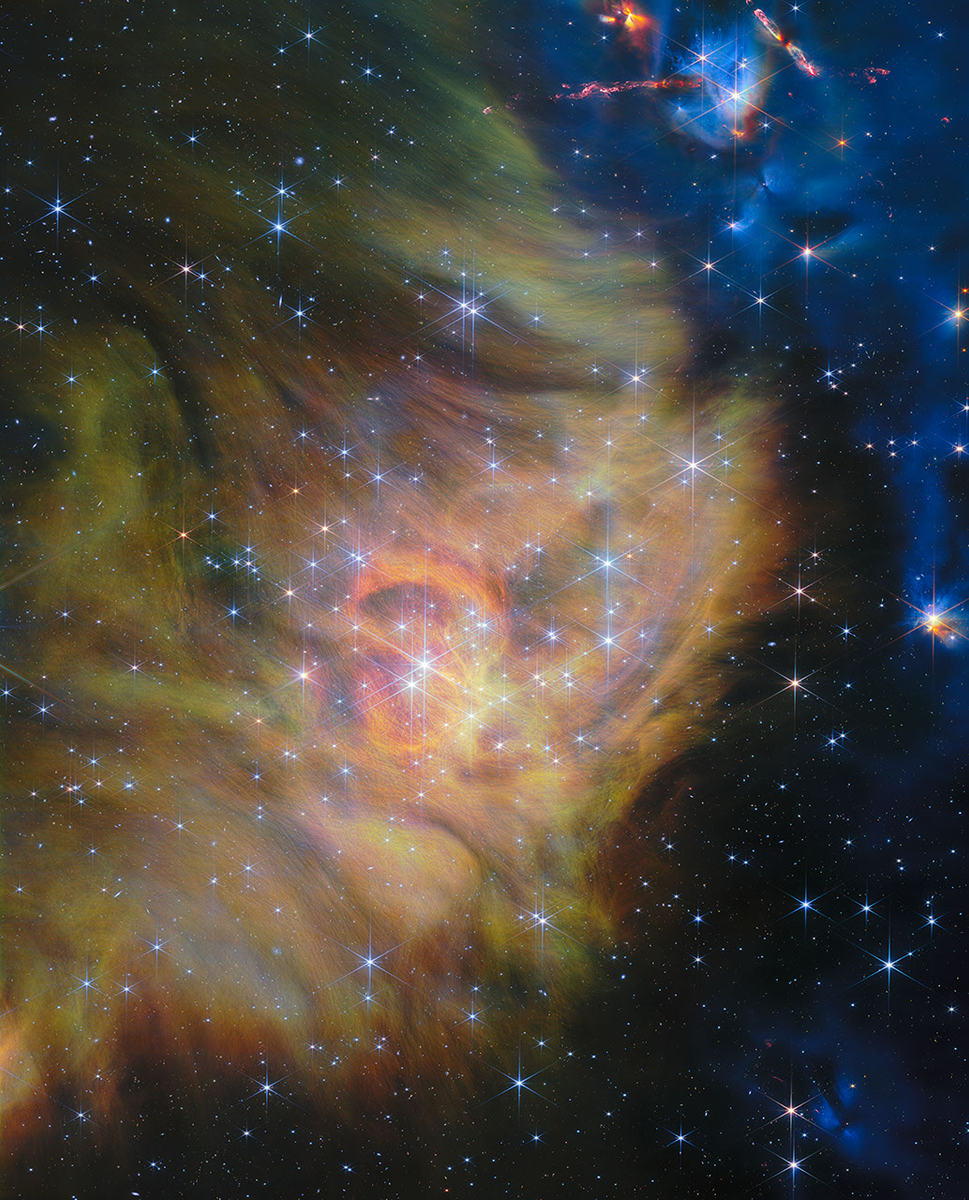
Webb’s huge new panorama of IC 348 reveals extremely low-mass brown dwarfs, a possible disk around one of them, and dramatic newborn-star jets.

NASA and JAXA’s XRISM mission directly traced hot plasma falling toward pulsar GX 301-2 in the BP Crucis system, revealing how a neutron star feeds during powerful X-ray flares.
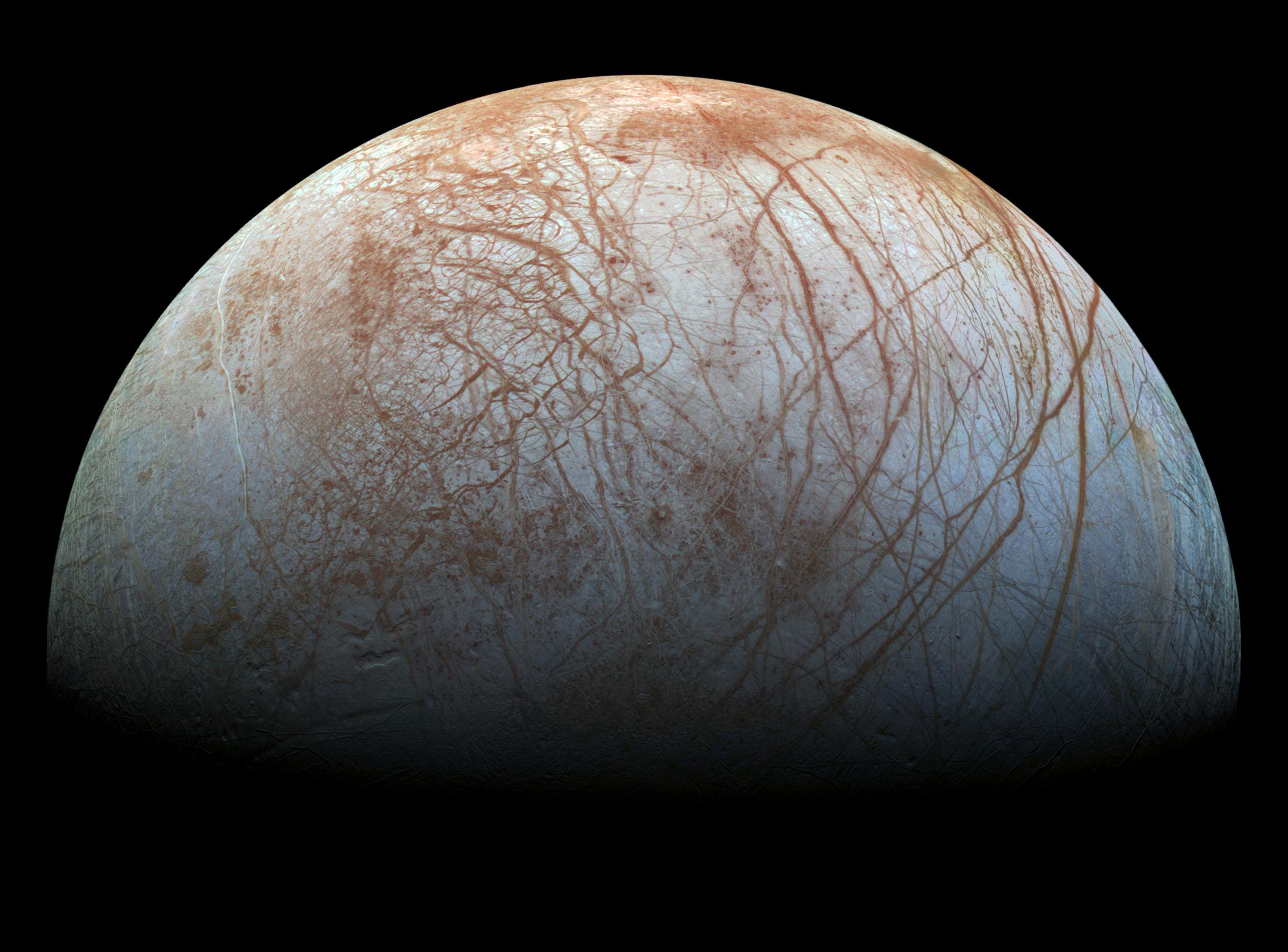
Europa is wrapped in ice, but evidence points to a global salty ocean beneath the surface. Here is why scientists consider it one of the Solar System’s most important places to investigate for habitability.

Venus is close to Earth in size, yet its surface is hot enough to melt lead and buried beneath crushing pressure. The difference is a lesson in atmospheres, climate and planetary evolution.

Quasars are powered by matter falling toward supermassive black holes. Their extreme brightness lets astronomers study black-hole growth, early galaxies and gas across the distant universe.
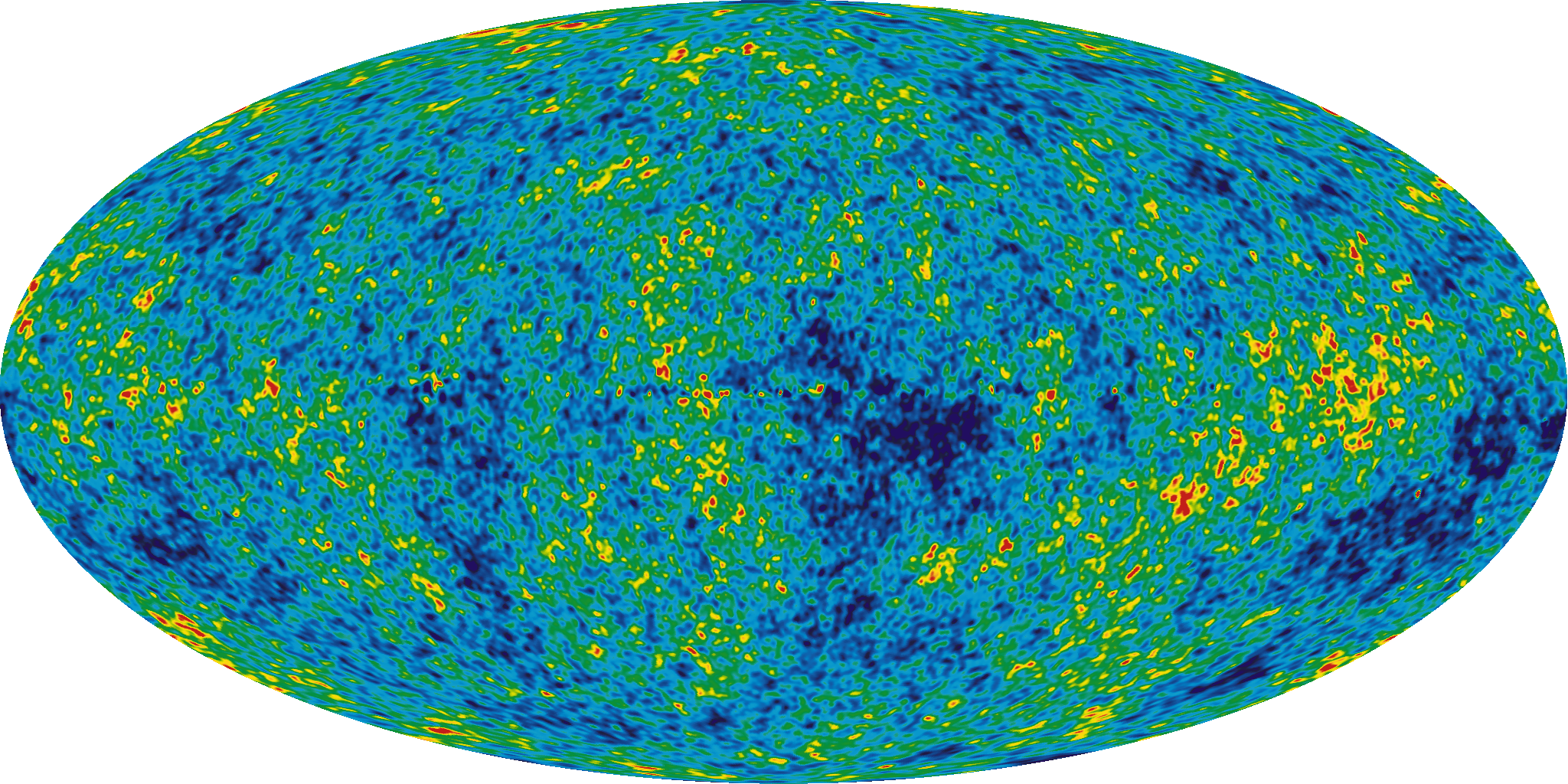
The cosmic microwave background is a faint microwave glow from the young universe. Its tiny temperature variations preserve a map of the seeds that later grew into galaxies and cosmic structure.
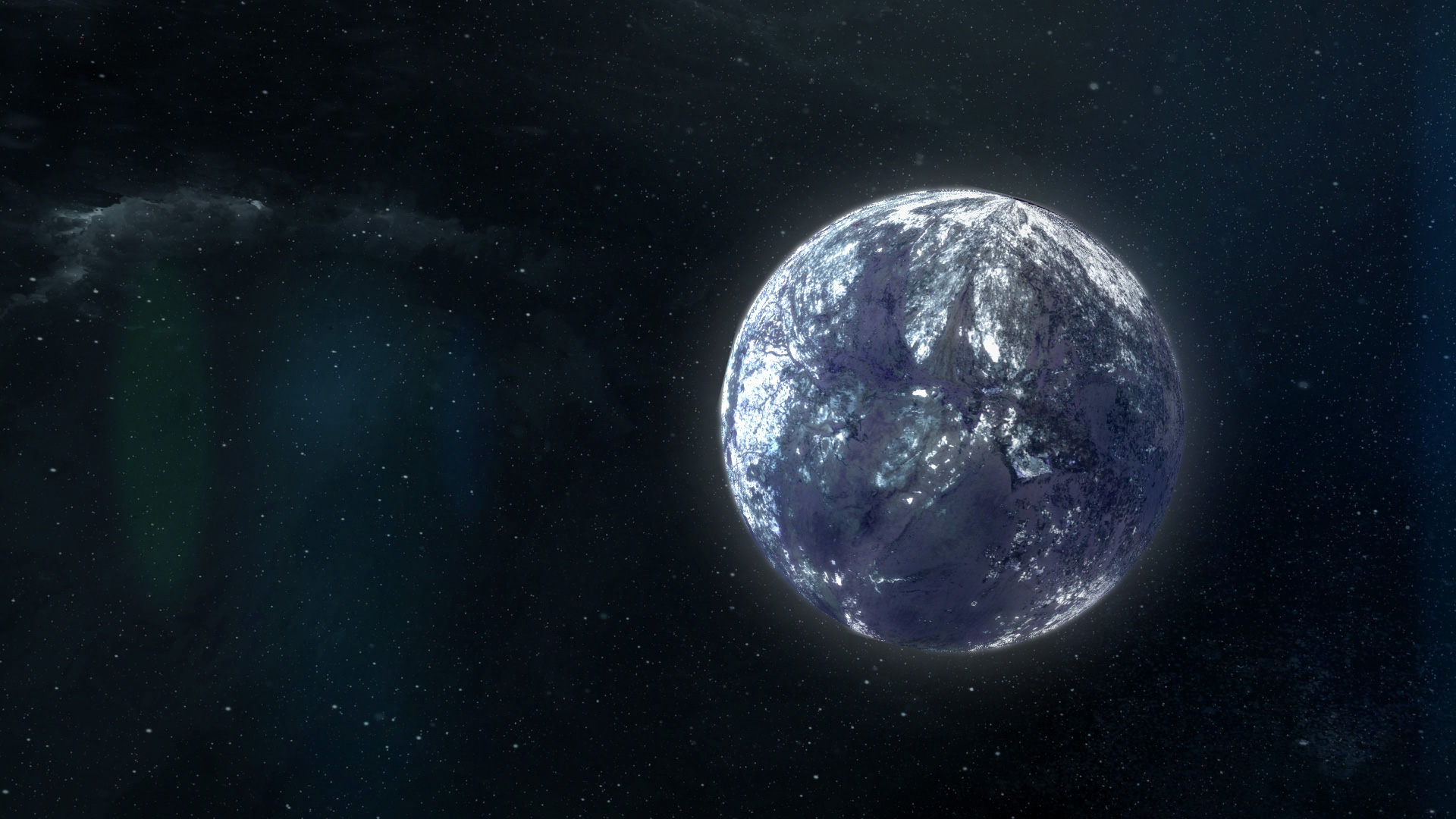
Some planetary-mass objects appear to travel through the galaxy without orbiting a host star. Microlensing surveys can reveal these dark, free-floating worlds even when they produce almost no light of their own.

The Sun constantly releases a stream of charged particles called the solar wind. It fills interplanetary space, drives space weather and helps create the heliosphere surrounding the planets.

ESA’s Euclid telescope has captured an extraordinary view of the Milky Way’s central bulge, revealing dense star fields and new microlensing opportunities.

Webb observations of IRS 3 show that water and oxygen-rich dust can survive unexpectedly close to Sagittarius A* at our galaxy’s center.

A fresh Hubble view of N44 in the Large Magellanic Cloud shows how stellar winds and supernovae shape star-forming bubbles.

Webb’s deep infrared survey pierces the dust of M82 and reveals millions of individual stars across the famous starburst galaxy.

A new Webb infrared view of Centaurus A reveals warped dust, huge stellar populations and the influence of a feeding black hole.
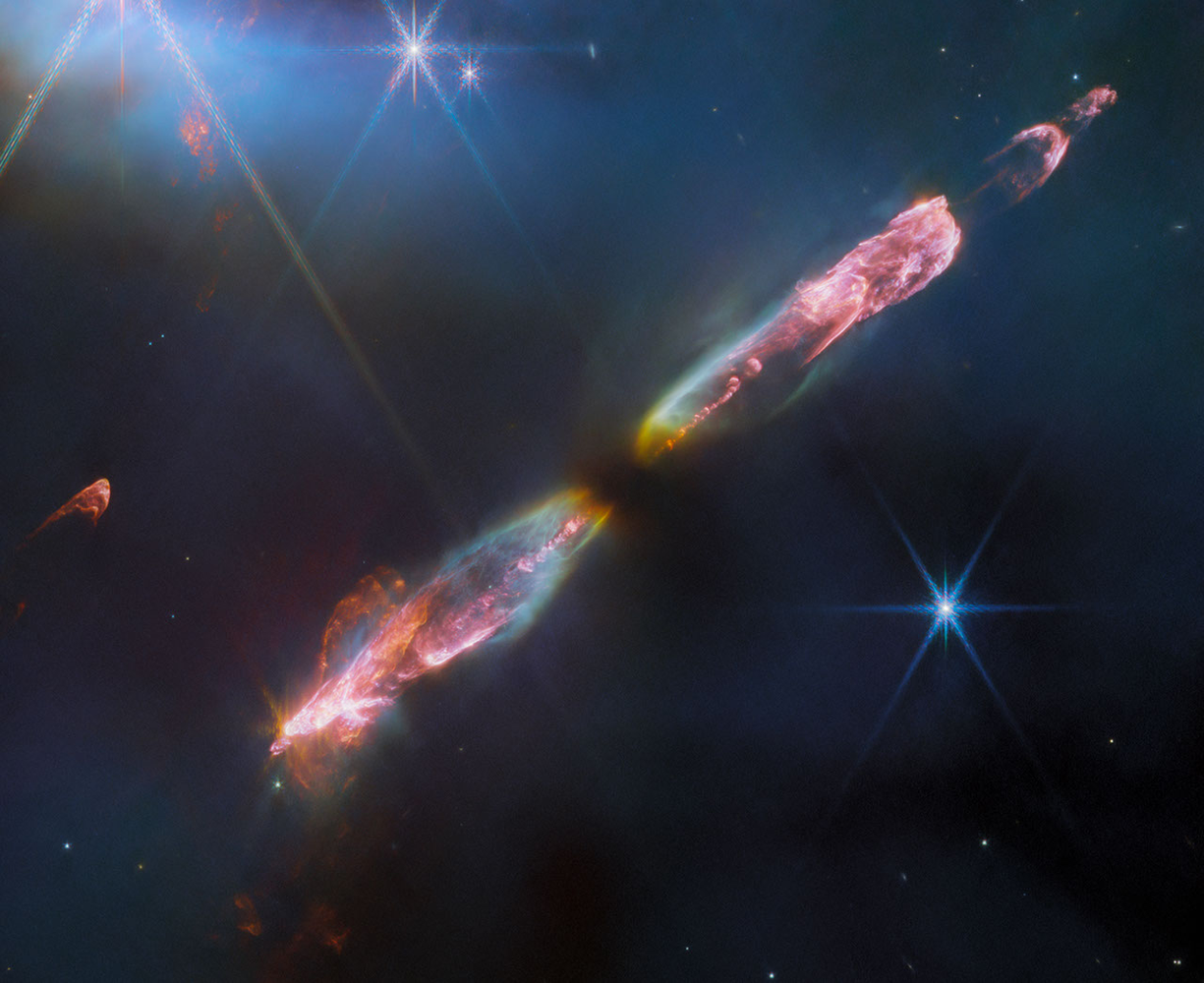
Learn the main methods astronomers use to discover planets around other stars, from transits to tiny stellar wobbles.

How Webb uses infrared light, a giant segmented mirror and a cold deep-space orbit to study the early universe and distant worlds.

Understand new moon, crescent, quarter, gibbous and full moon phases — and why Earth’s shadow is not the cause.

A current look at major spaceflight milestones, recent launches and missions still scheduled for the rest of the year.

A beginner-friendly explanation of cosmic acceleration, what astronomers mean by dark energy, and why the answer is still uncertain.

From city lights to clouds, oceans and vegetation, satellite views turn Earth into a measurable, changing system.
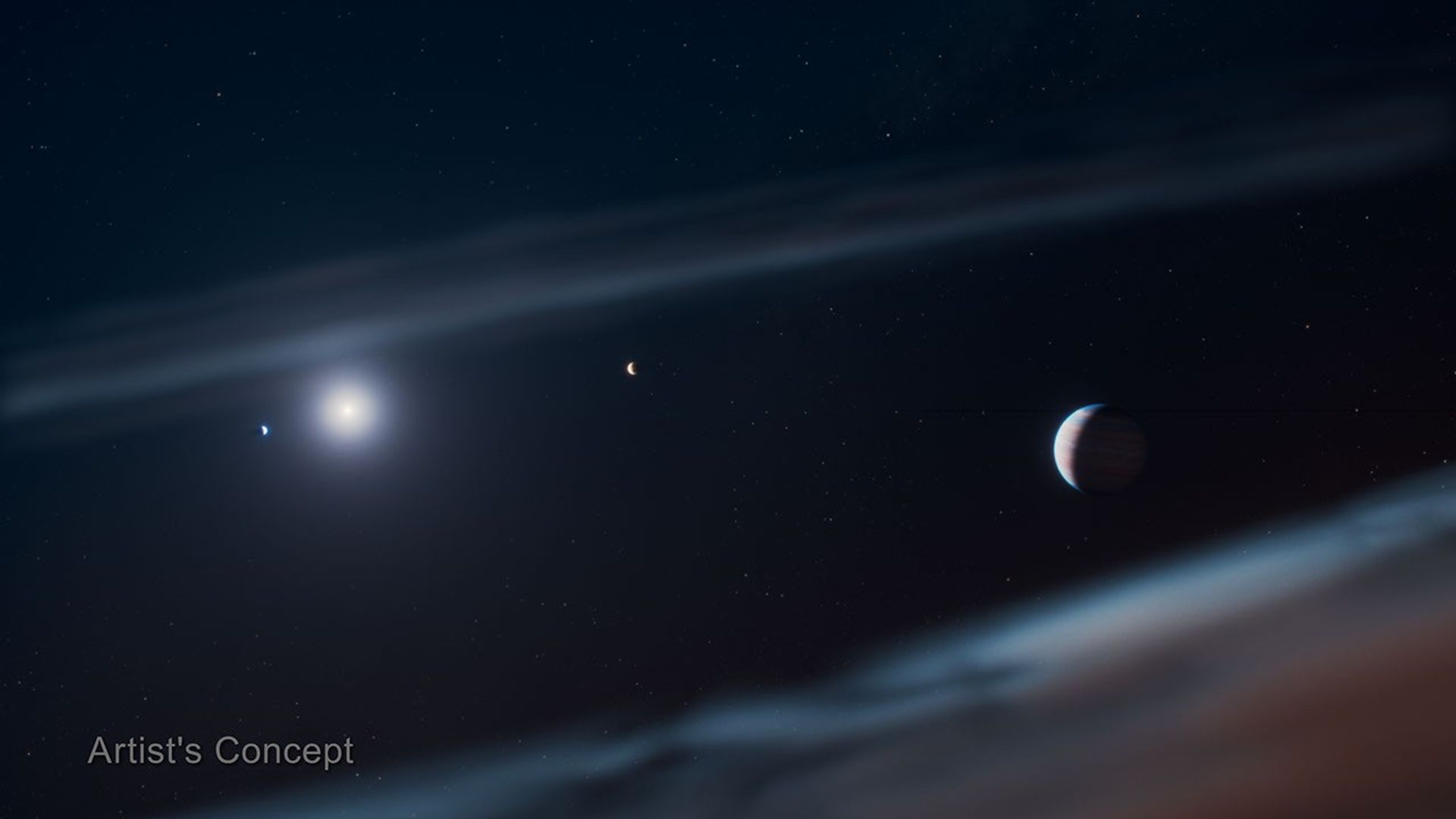
Scientists search for life by studying habitable environments, atmospheric chemistry, radio signals and worlds in our Solar System.

Meet Pluto, Ceres, Eris, Haumea and Makemake, and learn what makes a dwarf planet different from a major planet.
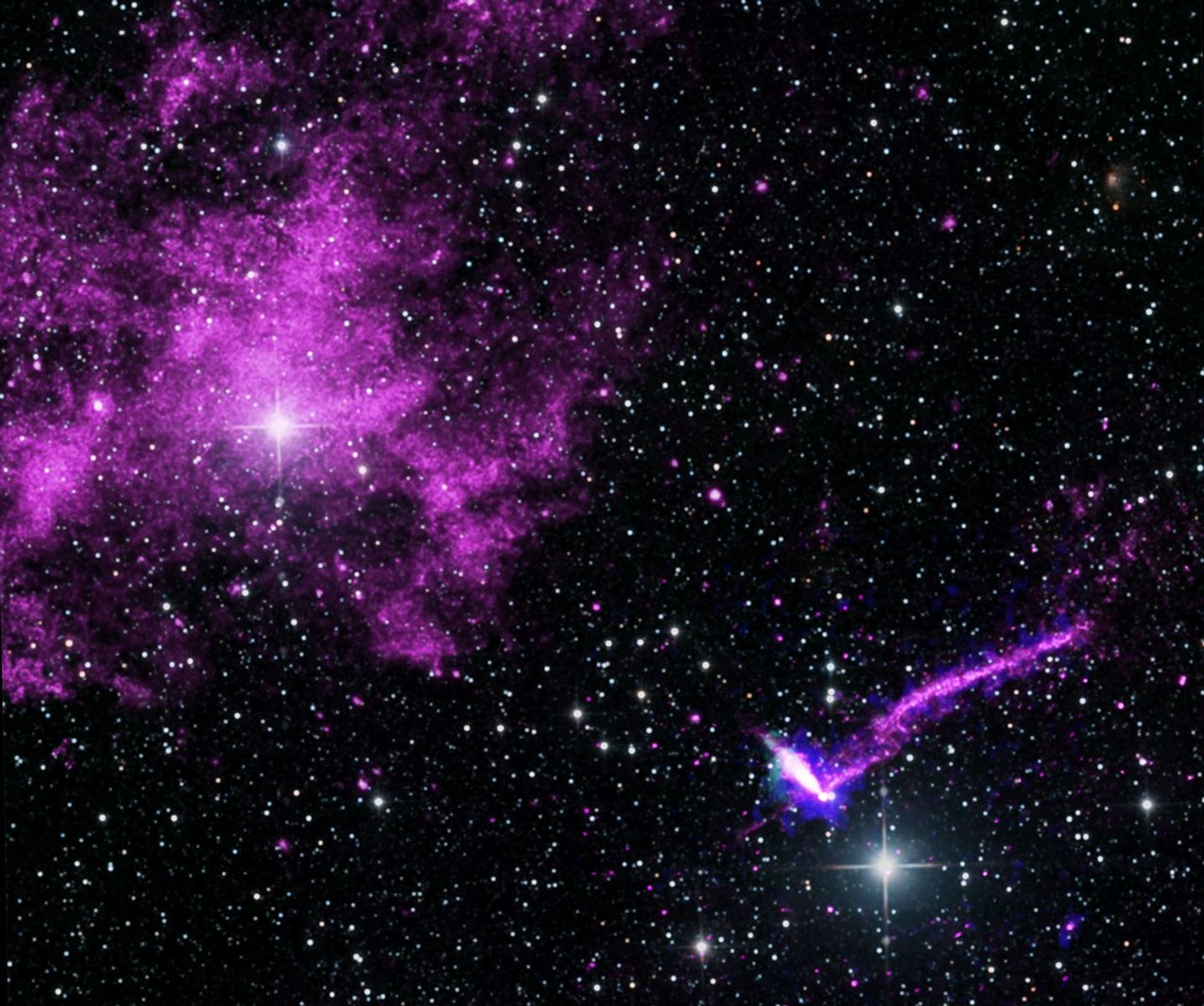
Learn how colliding black holes and neutron stars create measurable ripples in space-time and how detectors find them.

What commercial space tourism offers today, why it remains expensive, and what would need to change before it becomes ordinary travel.
Explore Mars as it is today and learn why its dry landscape still contains strong evidence that liquid water once shaped the planet.
Learn why meteor showers return each year, what creates shooting stars, and how to get the best view without any telescope.

Understand how hot accretion disks form around black holes and why the brightest light can come from material outside the event horizon.

Discover what nebulae are, why some glow while others appear dark, and how giant clouds of gas and dust can create new stars.

Learn where the Andromeda Galaxy is, how large it is, why it is moving toward the Milky Way, and what astronomers expect in the distant future.

Meet the eight planets, understand their order from the Sun, and learn how rocky worlds differ from giant planets.

Explore the Moon's major surface features, including impact craters, dark maria, highlands and the clues they preserve about lunar history.

A beginner-friendly guide to the lunar cycle, from new moon to full moon, and why the Moon's appearance changes through the month.

Understand the difference between Solar System planets and exoplanets, how astronomers find distant worlds, and what scientists learn from them.

Learn what a black hole is, what an event horizon means, how black holes form, and why they do not simply suck up everything around them.