
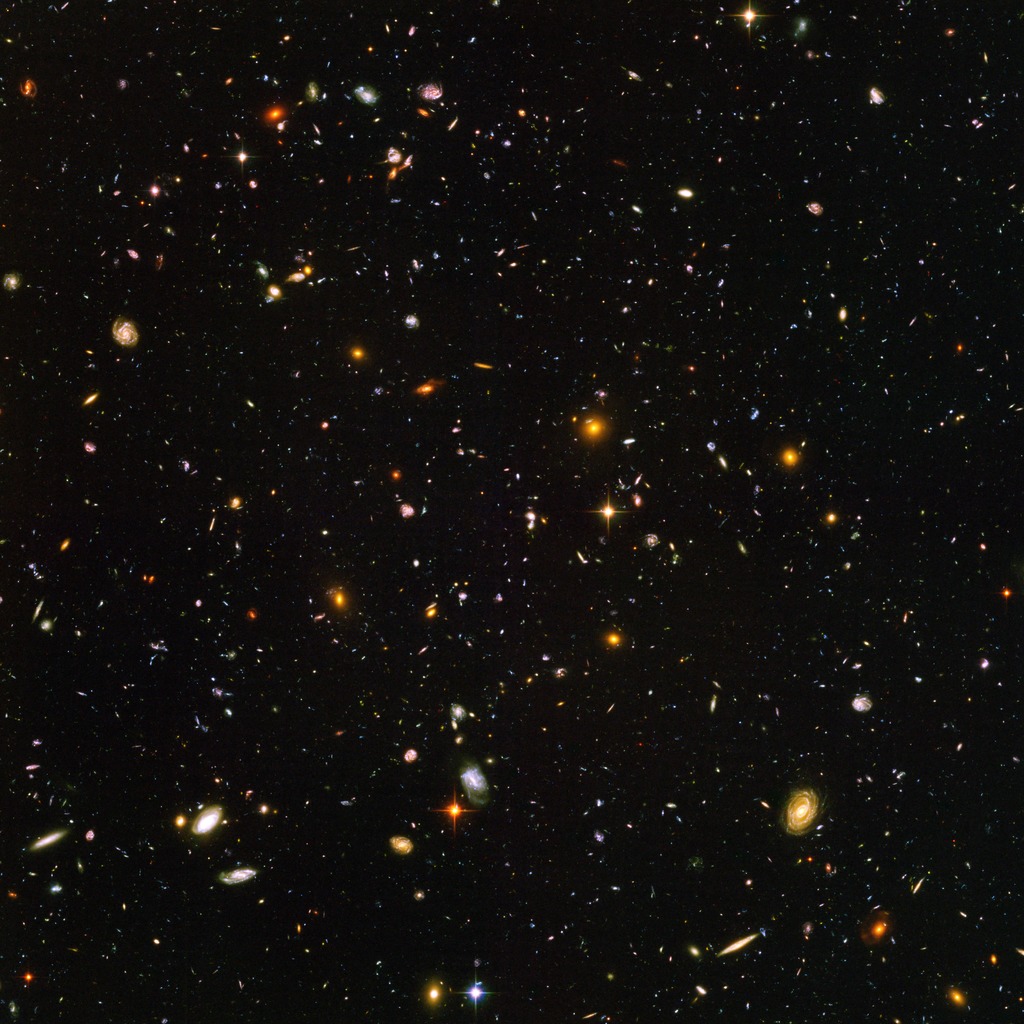
Cosmic latte is the nickname for the average visible color obtained when astronomers mathematically combine the light from a very large sample of galaxies. NASA’s Astronomy Picture of the Day revisited the result on September 28, 2026.
The shade is approximately #FFF8E7. It does not mean empty space is beige; it describes the combined visible-light output of the galaxy sample.
What is cosmic latte?
Cosmic latte is the nickname for the average visible color obtained when astronomers mathematically combine the light from a very large sample of galaxies. NASA’s Astronomy Picture of the Day revisited the result on September 28, 2026.
The shade is approximately #FFF8E7. It does not mean empty space is beige; it describes the combined visible-light output of the galaxy sample.
How was it calculated?
The analysis used spectra from roughly 200,000 galaxies in the 2dF Galaxy Redshift Survey. A spectrum separates light by wavelength, so combining many spectra reveals the average balance of visible colors across the sample.
What does the result mean?
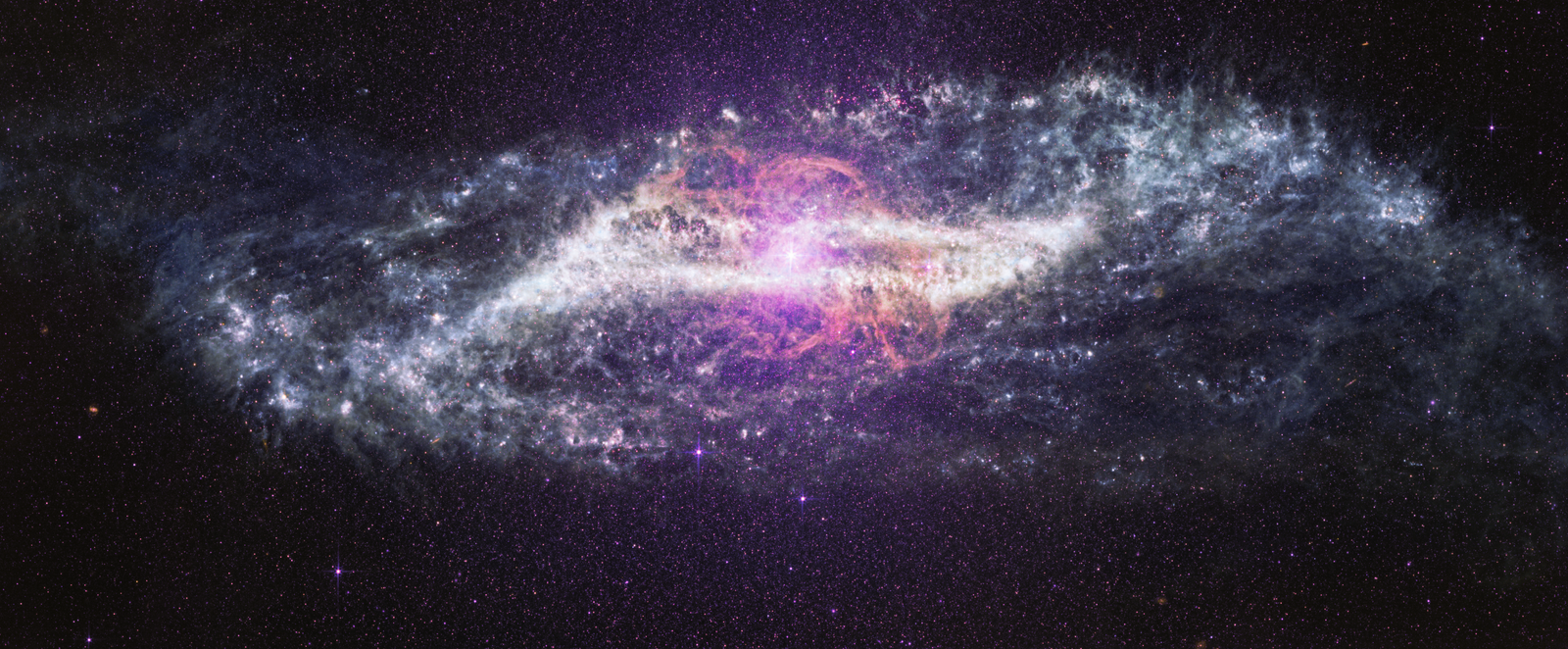
Galaxy color is influenced by its mix of stars. Hot young stars contribute more blue light, while older stellar populations add more yellow and red light. The average color is therefore a compact way of talking about the combined stellar populations in many galaxies.
Why did the universe become less blue?
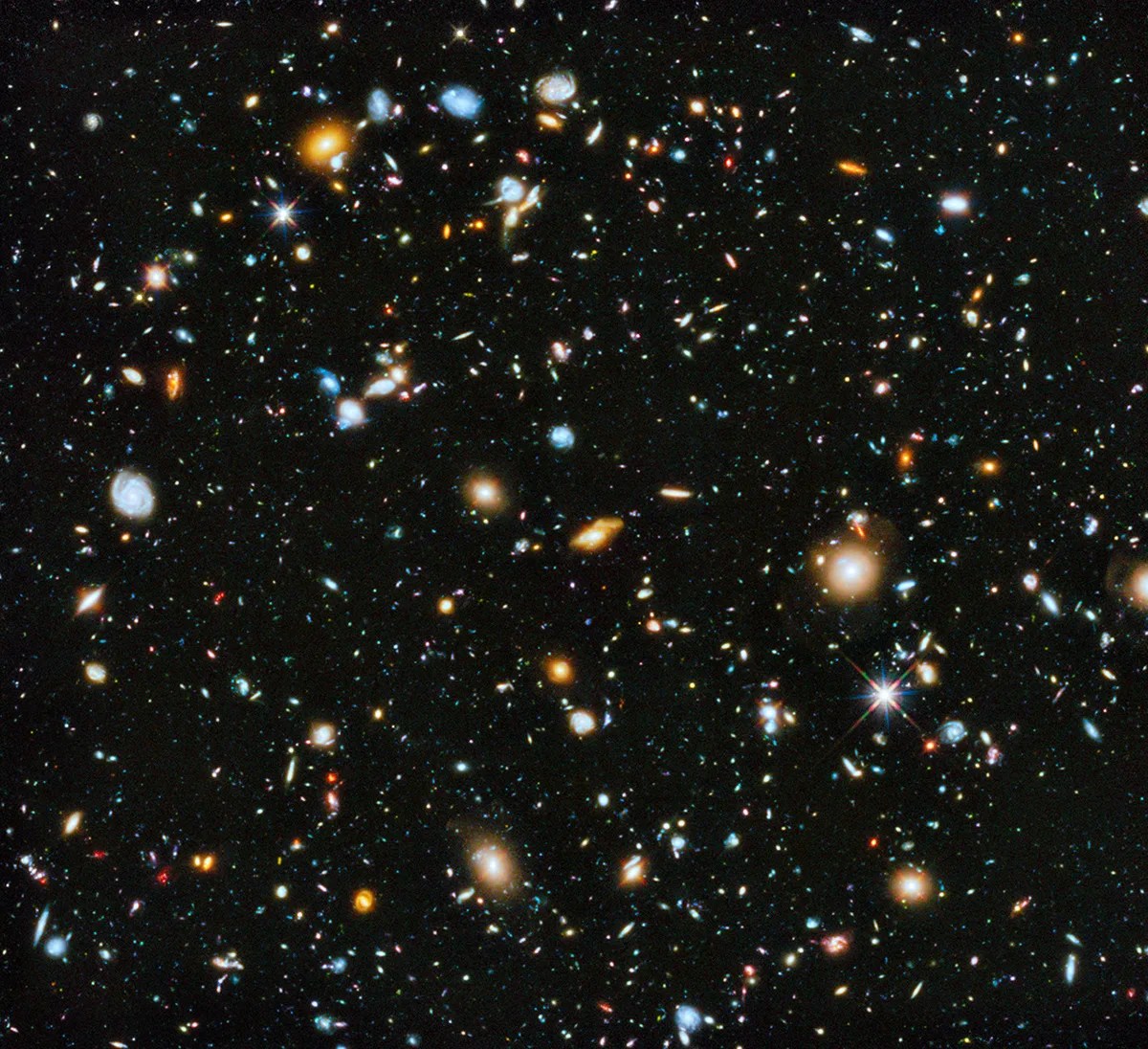
NASA’s APOD explanation notes that the average color has become less blue over about the past 10 billion years. Earlier cosmic history had more intense star formation and therefore a larger contribution from hot blue stars. As stellar populations aged, redder stars became relatively more important.
FAQ
Is the night sky really beige? No. The result is an average of galaxy light, not the appearance of empty space.
Is cosmic latte an exact universal constant? No. It is a useful visual summary of a specific large galaxy sample.
See also our How Big Is the Universe? guide.