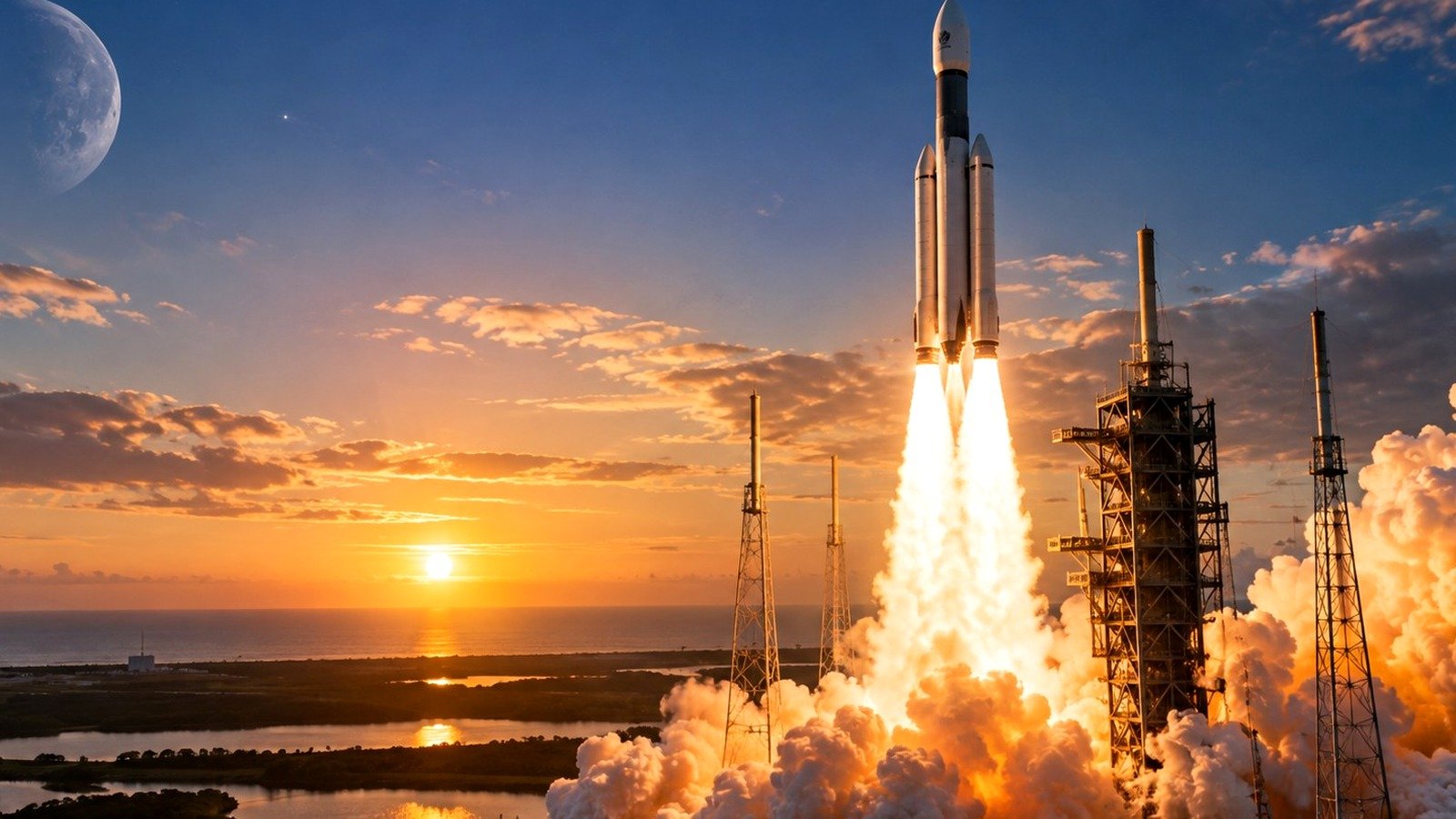
Meteor showers happen when Earth passes through trails of dust and debris left behind by comets or, in some cases, asteroids. Tiny particles strike our atmosphere at high speed and glow as they burn up.
Because Earth crosses some of these debris streams at roughly the same point each year, many meteor showers return on a regular annual schedule. That makes them one of the easiest sky events for beginners to enjoy.
Why meteor showers return each year
Many famous showers are tied to debris trails that Earth meets during the same part of its orbit each year, which is why familiar names return seasonally.
What creates a shooting star
A meteor is the brief streak of light produced when a tiny particle heats the air and itself during atmospheric entry.
How to get the best view
Find a dark location, give your eyes time to adjust and look at a broad area of sky rather than staring at one exact point.
Why you do not need a telescope
Meteor showers cover large portions of the sky, so binoculars and telescopes usually limit your view rather than helping.
What makes some showers stronger than others
Activity depends on debris density, Earth’s path through the stream, moonlight and local sky conditions.
FAQ
Do I need a telescope to watch meteors?
No. Meteor showers are best viewed with the naked eye.
Why are some meteors brighter than others?
Brightness depends on particle size, speed and viewing conditions.
When is the best time to watch?
Late night to pre-dawn hours are often best because your location on Earth faces into the direction of travel.
Can city lights ruin the experience?
Yes. Light pollution hides fainter meteors, so darker skies are better.