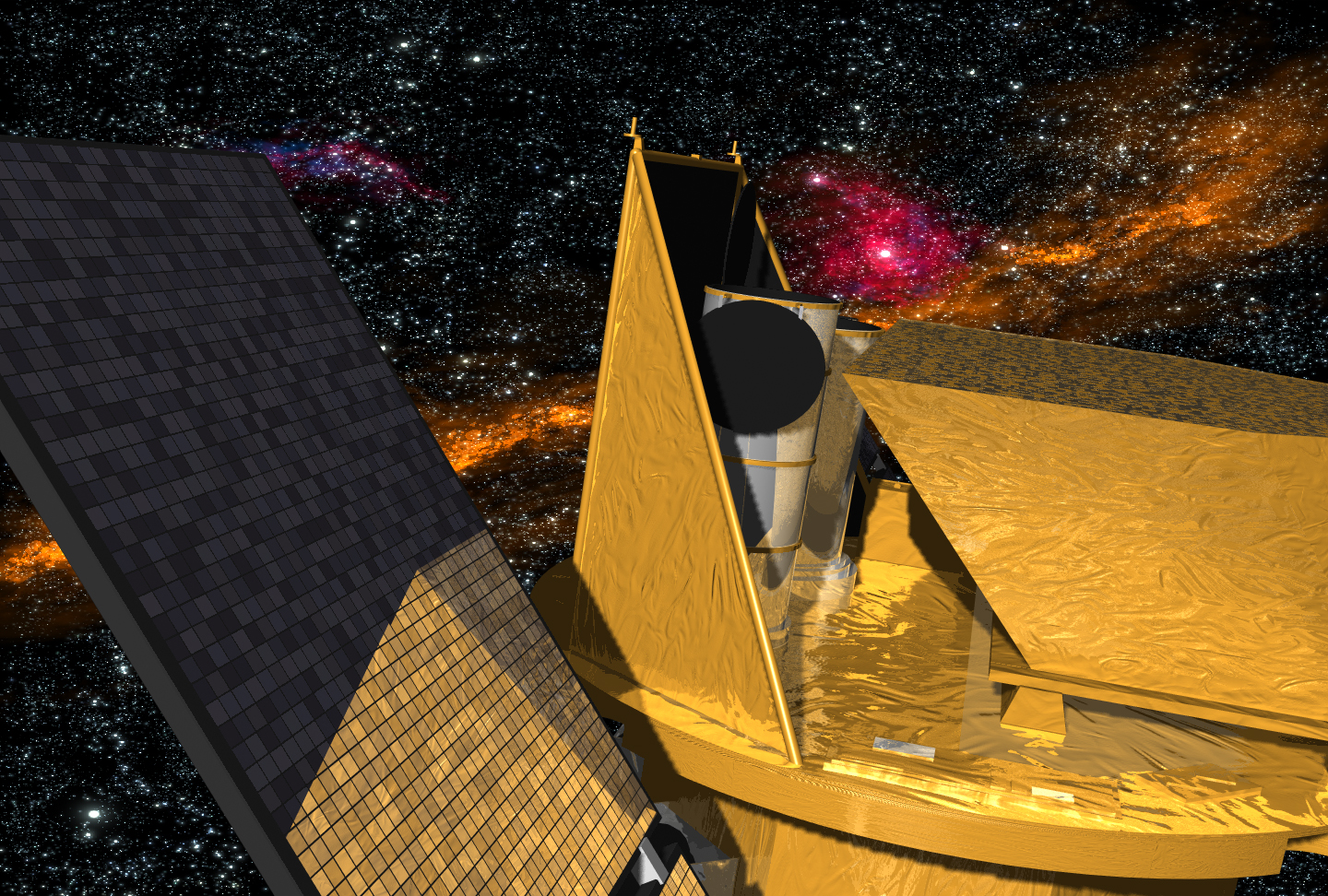
NASA’s Neil Gehrels Swift Observatory is once again using all three of its science instruments. The mission team confirmed that the Burst Alert Telescope, or BAT, was calibrated and detecting gamma rays on September 18, 2026. A few days later, on September 21, Swift was also allowed to resume its signature automatic repointing behavior.
That matters because Swift was built to react quickly. When BAT detects a sudden burst of gamma rays, the spacecraft can interrupt its normal observing plan and turn its X-ray and ultraviolet/optical telescopes toward the same event for rapid follow-up observations.
What changed on Swift?
Swift had previously reduced normal operations while NASA and its partners prepared for a proposed commercial mission that would have boosted the observatory to a higher orbit. To reduce drag and save power, some instruments were turned off and observing plans were adjusted.
The boost attempt was later scaled back after the servicing spacecraft developed attitude-control problems. Swift resumed science with its X-ray Telescope and Ultraviolet/Optical Telescope in August. The Burst Alert Telescope followed in September, restoring the observatory’s full three-instrument capability.
Why the Burst Alert Telescope matters
The BAT is Swift’s wide-field gamma-ray detector. Its job is to watch a large part of the sky for sudden high-energy flashes, especially gamma-ray bursts. These events can come from the collapse of massive stars or from mergers involving neutron stars and black holes.
Once BAT detects a burst, it estimates the position and sends an alert to the ground. That alert can also trigger Swift’s other telescopes to begin follow-up observations.
What automatic slewing does
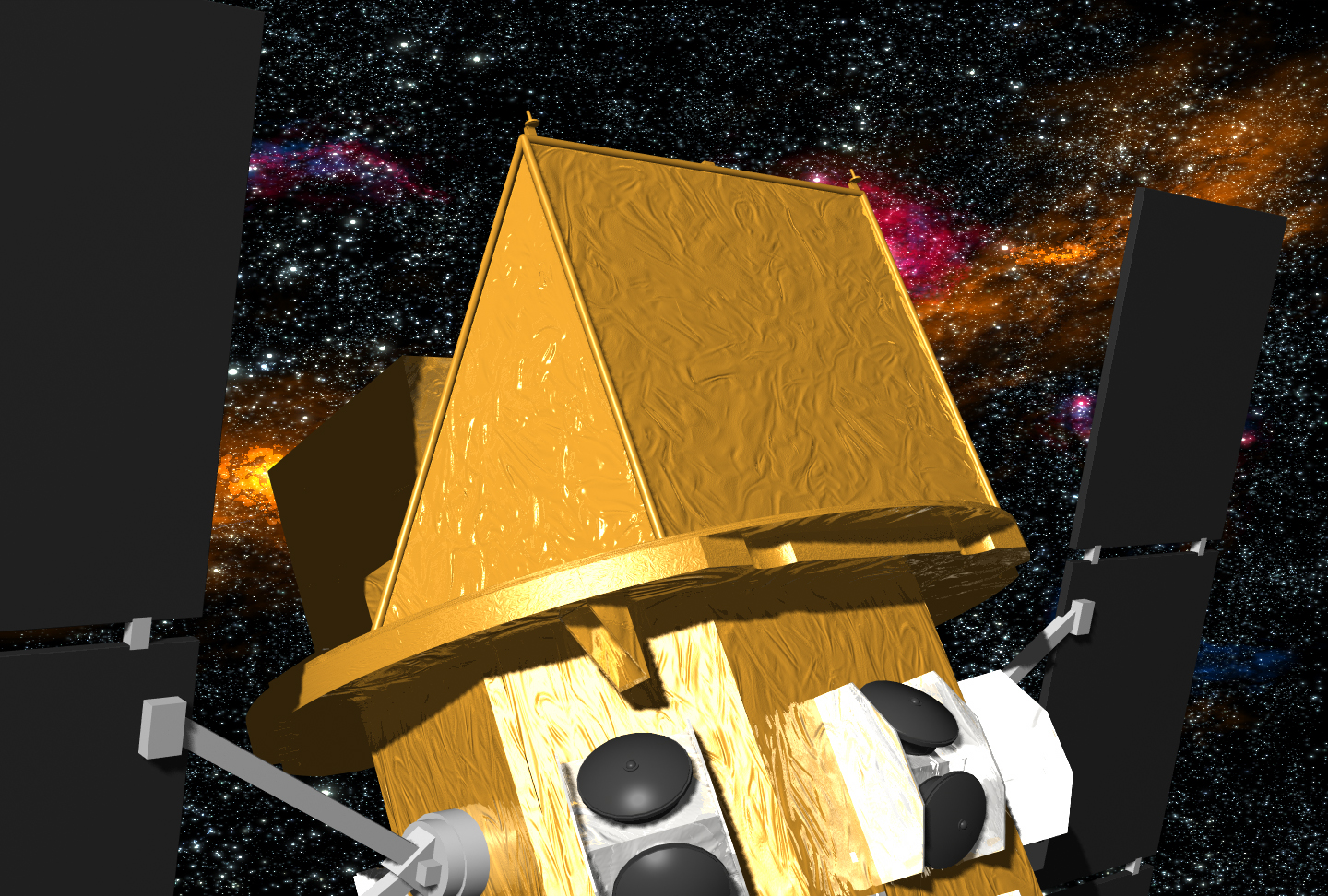
Swift’s name reflects its ability to move quickly. A spacecraft “slew” is simply a controlled rotation that points the telescopes toward a new target. For gamma-ray bursts, speed is critical because the brightest phase may last only seconds, while the afterglow fades over minutes, hours, and days.
With automated burst slews restored, Swift can once again interrupt its daily observing schedule when BAT detects a promising high-energy event, then bring its X-ray and ultraviolet/optical telescopes onto the source.
Why Swift’s low orbit is a concern
Swift does not have a propulsion system that can continuously raise its orbit. Earth’s upper atmosphere still produces a small amount of drag at Swift’s altitude, and that drag slowly lowers the spacecraft.
NASA reported that Swift was around 200 miles, or 325 kilometers, above Earth in late September. Mission teams expect operations to become more difficult below about 185 miles, or 300 kilometers. NASA estimated that Swift could reach that threshold in early to mid-October if its descent continues at the current pace.
What Swift can still study
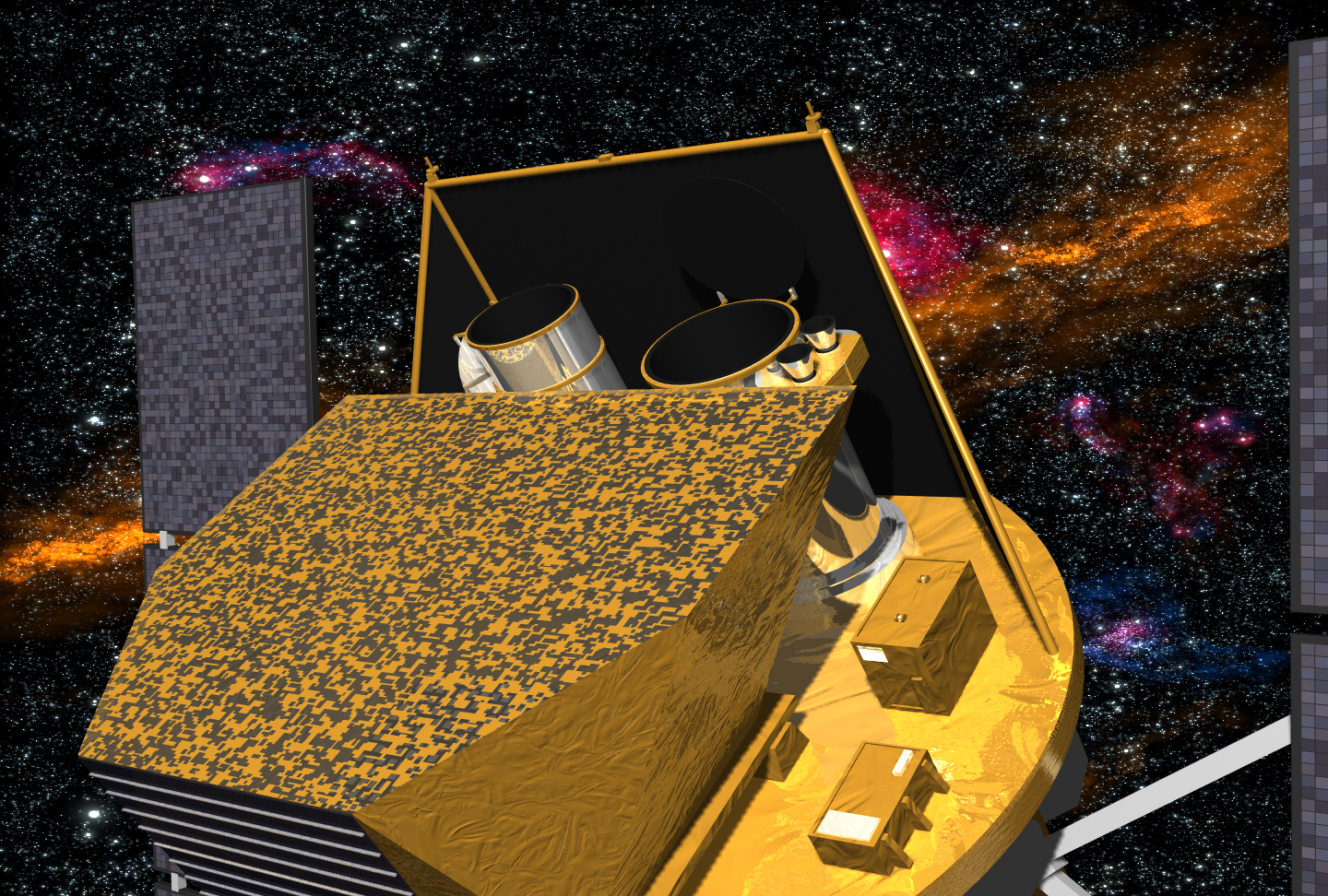
Swift was designed around gamma-ray bursts, but over more than two decades it has become a broad time-domain astronomy mission. It observes supernovae, black-hole activity, neutron stars, stellar flares, active galaxies, and other rapidly changing cosmic sources.
Its three instruments cover gamma-ray, X-ray, ultraviolet, and visible wavelengths. That multiwavelength coverage is especially useful when astronomers want to understand how a transient event changes over time.
FAQ
What is NASA’s Swift Observatory?
Swift is a space telescope launched in 2004 to study gamma-ray bursts and other rapidly changing high-energy events.
What is the Burst Alert Telescope?
BAT is Swift’s wide-field gamma-ray detector. It identifies new bursts and helps determine where they occurred in the sky.
Why does Swift need to slew automatically?
Gamma-ray bursts fade rapidly. Automatic slewing allows Swift’s X-ray and ultraviolet/optical telescopes to begin follow-up observations soon after a burst is detected.
Is Swift still operational?
Yes. NASA reported on September 25, 2026, that all three instruments were again being used and automatic burst slewing had resumed, although the observatory is losing altitude.