Titan's Methane Lakes: An Alien Landscape Around Saturn
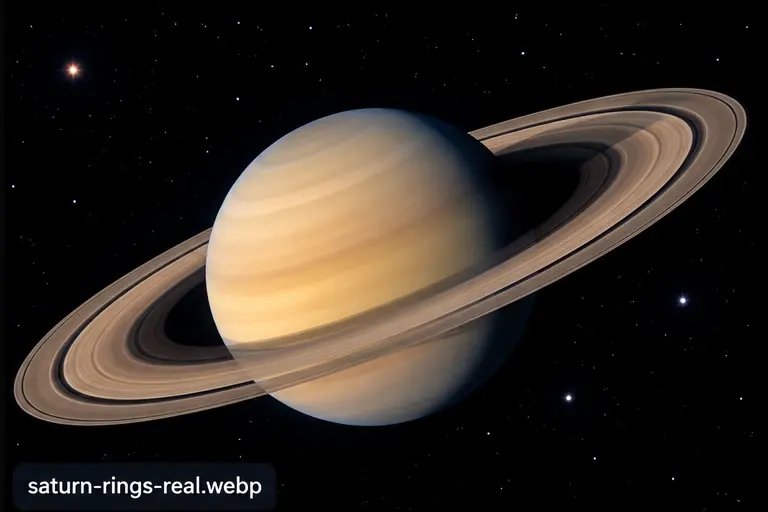
Explore Titan's lakes and seas of liquid methane and why Saturn's largest moon fascinates planetary scientists.
A moon unlike Earth
Titan is Saturn's largest moon and the only moon in our Solar System with a thick atmosphere. Its surface is extremely cold, so methane and ethane can exist there as liquids.
Lakes and seas
Radar observations revealed large dark regions near Titan's poles that behave like lakes and seas. Instead of water, these bodies are mainly made of liquid hydrocarbons.
A methane cycle
Titan has clouds, rain, rivers and lakes, but the working fluid is not water. Methane can evaporate, form clouds, fall as rain and collect on the surface in a cycle that is strangely familiar and completely alien at the same time.
Why Titan matters
Titan lets scientists study chemistry in an environment rich in organic molecules. It may help researchers understand how complex chemistry develops under conditions very different from Earth.
Future exploration
Future missions aim to study Titan's surface and atmosphere in greater detail. Because the moon combines complex chemistry, weather and diverse landscapes, it is one of the most exciting places in planetary science.