
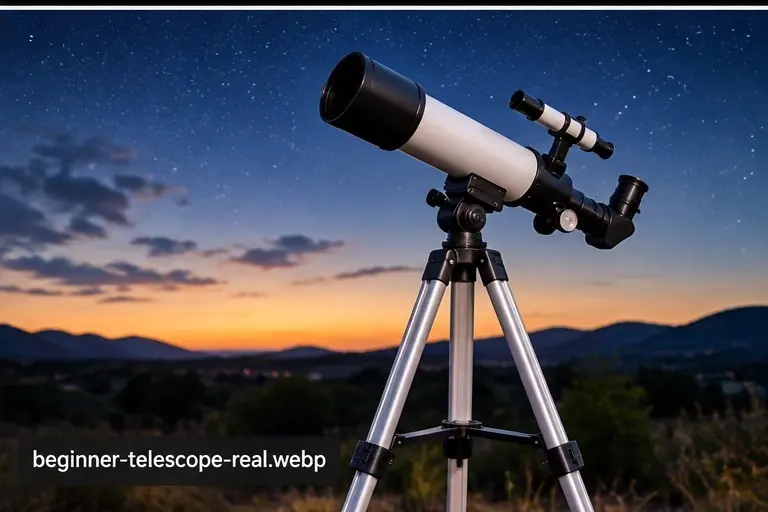
A beginner telescope should make observing easier, not more frustrating. The best first telescope usually combines useful aperture, a stable mount, simple controls and a size you will actually carry outside.
Aperture matters more than magnification
A telescope’s aperture controls how much light it gathers and how much fine detail it can resolve. For a beginner, a modest telescope with a useful aperture is generally more valuable than a small instrument advertised with extreme magnification.
Higher magnification also makes atmospheric turbulence and mount vibration more obvious, so more power is not automatically better.
A stable mount is essential
The mount determines how steadily the telescope points and how easily you can follow objects across the sky. Good optics on a weak mount can still be frustrating because every touch creates vibration.
Refractor, reflector, or compound?
Refractors use lenses and are usually simple to maintain. Reflectors use mirrors and often provide more aperture for the price. Compound telescopes combine mirrors and lenses in compact designs but can cost more.
Your storage space, budget and observing goals matter more than choosing a design because someone calls it the “best.”
Good first observing targets
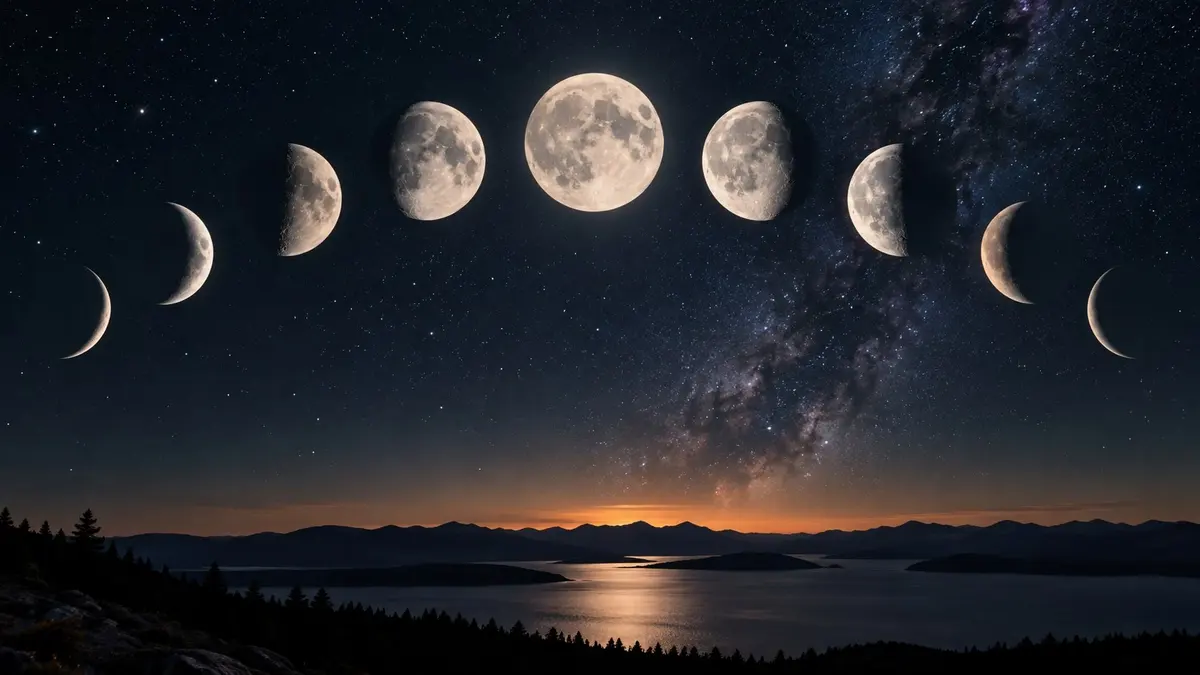
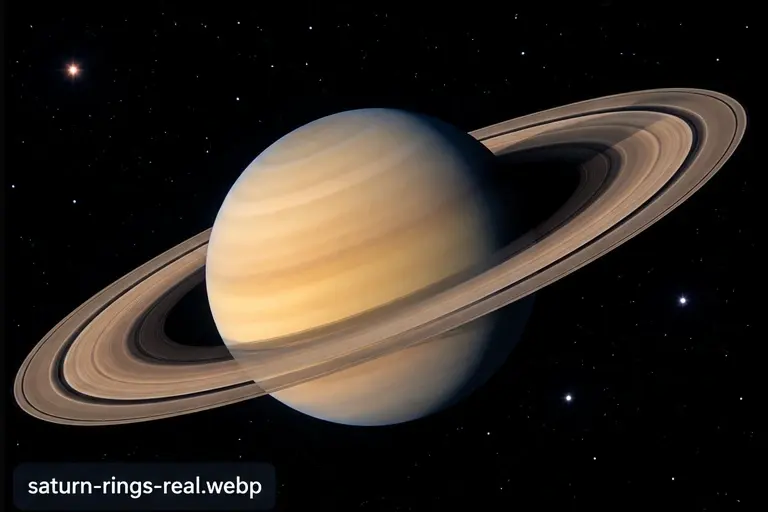
The Moon is the easiest place to begin. Jupiter can reveal its brightest moons, and Saturn can show its famous rings when conditions and magnification are suitable. Bright star clusters are also excellent targets because they remain attractive even from moderately light-polluted areas.
Set realistic expectations
Visual observing does not look like long-exposure astrophotography. Galaxies and nebulae usually appear much fainter to the eye than in processed images, while the Moon and bright planets can look impressive even from light-polluted locations.
A telescope that is easy to use regularly will teach you more than a larger instrument that is difficult to transport, align or store.
FAQ
What specification matters most?
Aperture is one of the most important specifications, but mount stability is equally important in actual use.
Do I need very high magnification?
No. Useful magnification depends on the telescope, atmospheric conditions and the stability of the mount.
What can a beginner telescope show?
The Moon, Jupiter’s moons, Saturn’s rings, bright star clusters and some brighter deep-sky objects are common first targets.