
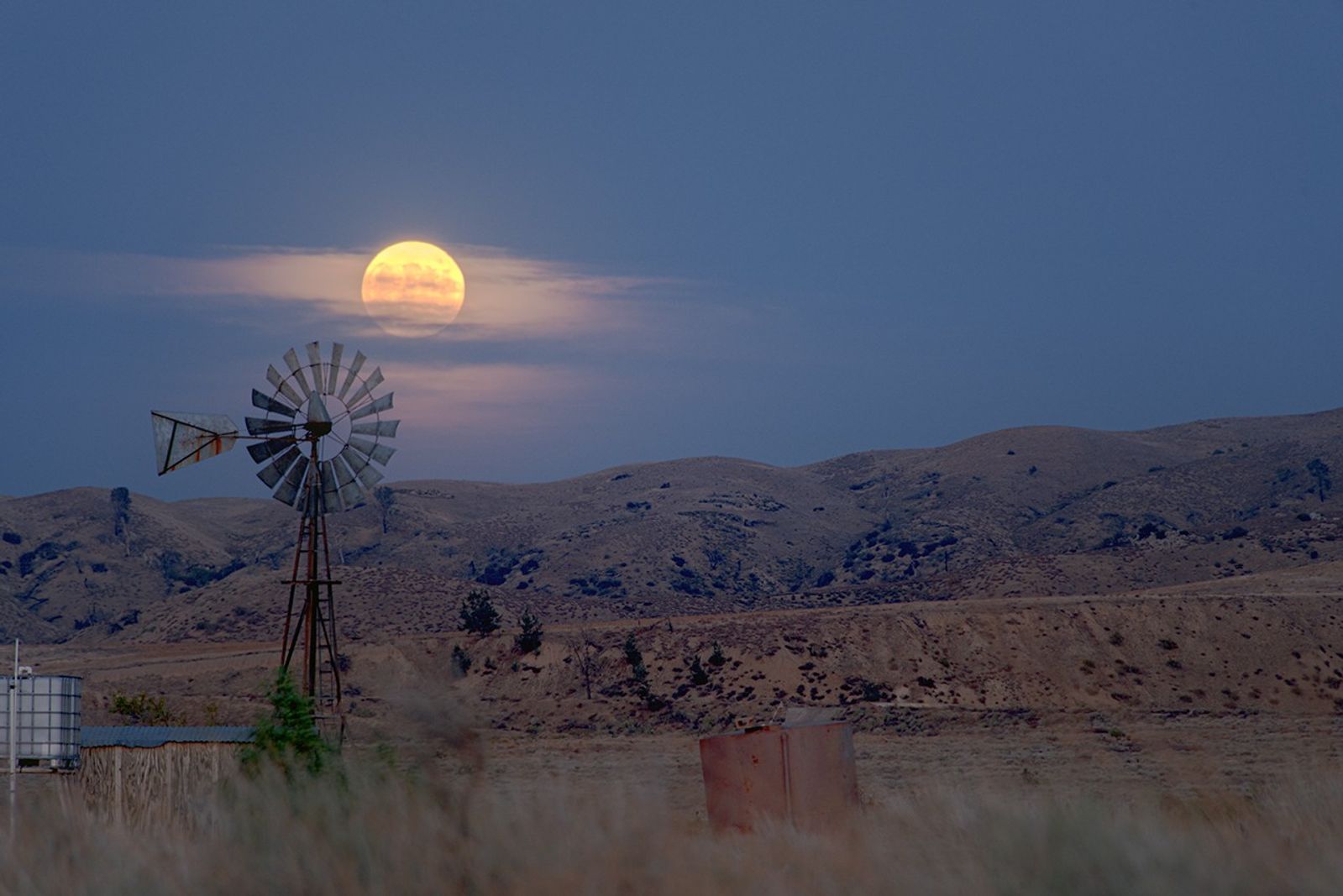
September 2026 offers several easy targets for casual skywatchers. Venus reaches striking brilliance, the September equinox marks a seasonal turning point, and the full Moon traditionally called the Harvest Moon shares the late-month sky with bright outer-planet landmarks. Most of these events need no telescope — only clear weather and a view of the horizon.
Quick facts
- Venus is the brightest planet seen from Earth and can be obvious even in twilight.
- The September equinox occurs when the Sun crosses the celestial equator.
- The Harvest Moon is the full Moon closest to the Northern Hemisphere’s autumnal equinox.
- Binoculars can add detail, but naked-eye viewing is enough for the main events.
Why this matters
Skywatching is a useful entry point into astronomy because it connects abstract orbital mechanics with things you can see directly. The changing position of Venus reflects its orbit inside Earth’s. The equinox follows Earth’s axial tilt and yearly motion around the Sun. The Moon’s rise time and position change night by night because it is moving around Earth.
How to read this result
For skywatching, the apparent motion in the sky is a direct consequence of predictable orbital geometry. Venus is the brightest planet seen from Earth and can be obvious even in twilight. The September equinox occurs when the Sun crosses the celestial equator. Together, those measurements give the visual feature a testable physical meaning and help researchers compare it with earlier observations and models.
What comes next
Check your local sunset, moonrise and weather times before heading outside. Give your eyes a few minutes to adjust, avoid bright streetlights where possible, and use a reputable sky map to confirm the positions of Saturn and nearby stars.