
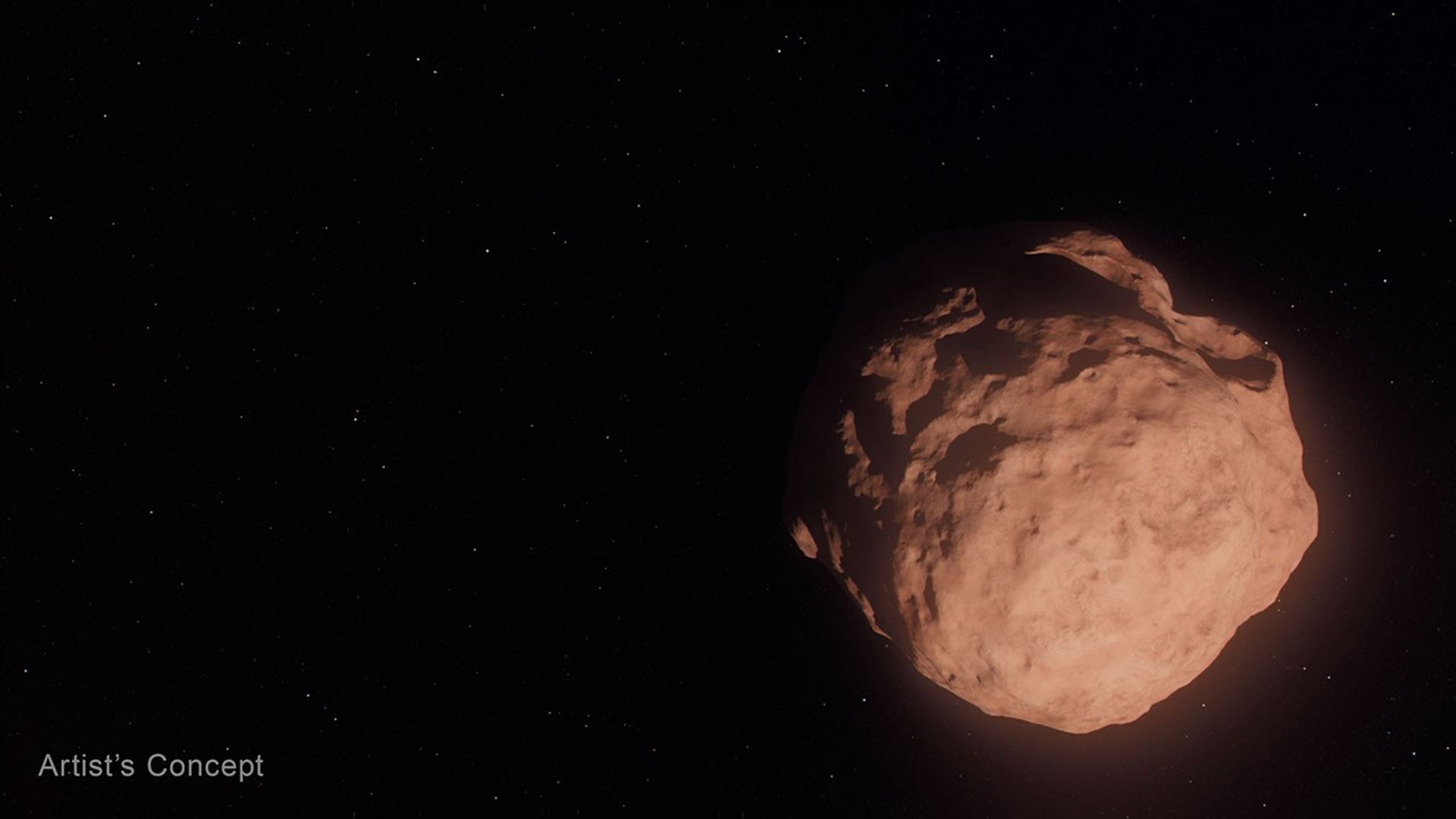
The most distant small worlds in our solar system are more than frozen leftovers. Their surfaces and orbits can preserve evidence of the environment in which the planets formed. In 2026, astronomers combined the strengths of NASA’s Hubble Space Telescope and James Webb Space Telescope to study a sample of far-out trans-Neptunian objects, using reflected light and infrared measurements to build a more detailed picture of their composition.
Quick facts
- Trans-Neptunian objects orbit beyond Neptune and include a wide range of icy bodies.
- Webb is especially sensitive to infrared signatures from ices and complex surface materials.
- Hubble adds precise visible-light measurements and a long observational record.
- Comparing multiple objects helps scientists separate broad population trends from the history of a single world.
Why this matters
The outer solar system experienced migration, collisions and gravitational reshuffling during its youth. Small bodies that remained far from the Sun were altered less by heat than the inner planets, so their chemistry can retain information from the solar system’s earliest era. The new observations do not turn these objects into literal time capsules, but they give researchers a way to test models of where different populations formed and how they were scattered into their present orbits.
How to read this result
For distant solar-system bodies, the strongest clues come from linking surface composition with orbital history. Trans-Neptunian objects orbit beyond Neptune and include a wide range of icy bodies. Webb is especially sensitive to infrared signatures from ices and complex surface materials. Together, those measurements give the visual feature a testable physical meaning and help researchers compare it with earlier observations and models.
What comes next
Future observations can expand the sample, improve surface-composition measurements and connect chemical groups with orbital families. That combination may reveal whether objects now sharing similar paths were born in the same region or arrived there by different routes.