
Mars is one of the most explored worlds beyond Earth because it combines familiar landscapes with a very different climate history. Its rocks, craters, volcanoes and ancient water features preserve a long record of planetary change.
Why Mars looks red
Mars gets its familiar color from iron-rich minerals in its surface material. Over time, those minerals reacted with oxygen and formed iron oxides, producing rusty shades that dominate much of the landscape.
A cold world with a thin atmosphere
Mars has an atmosphere made mostly of carbon dioxide, but it is far thinner than Earth's. The low pressure and distance from the Sun contribute to a cold, dry surface where liquid water is not stable for long under present conditions.
Evidence that Mars was once wetter
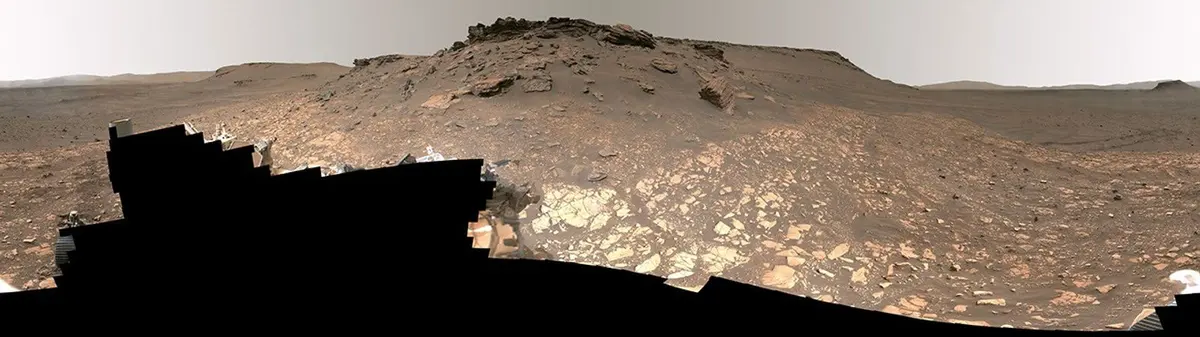
Spacecraft have photographed ancient river channels, lake beds, deltas and water-altered minerals. These features suggest that early Mars had environments very different from the planet we see today.
Jezero Crater is especially important because its ancient delta preserves sediments deposited when water once flowed into a lake.
Mountains, canyons and polar caps
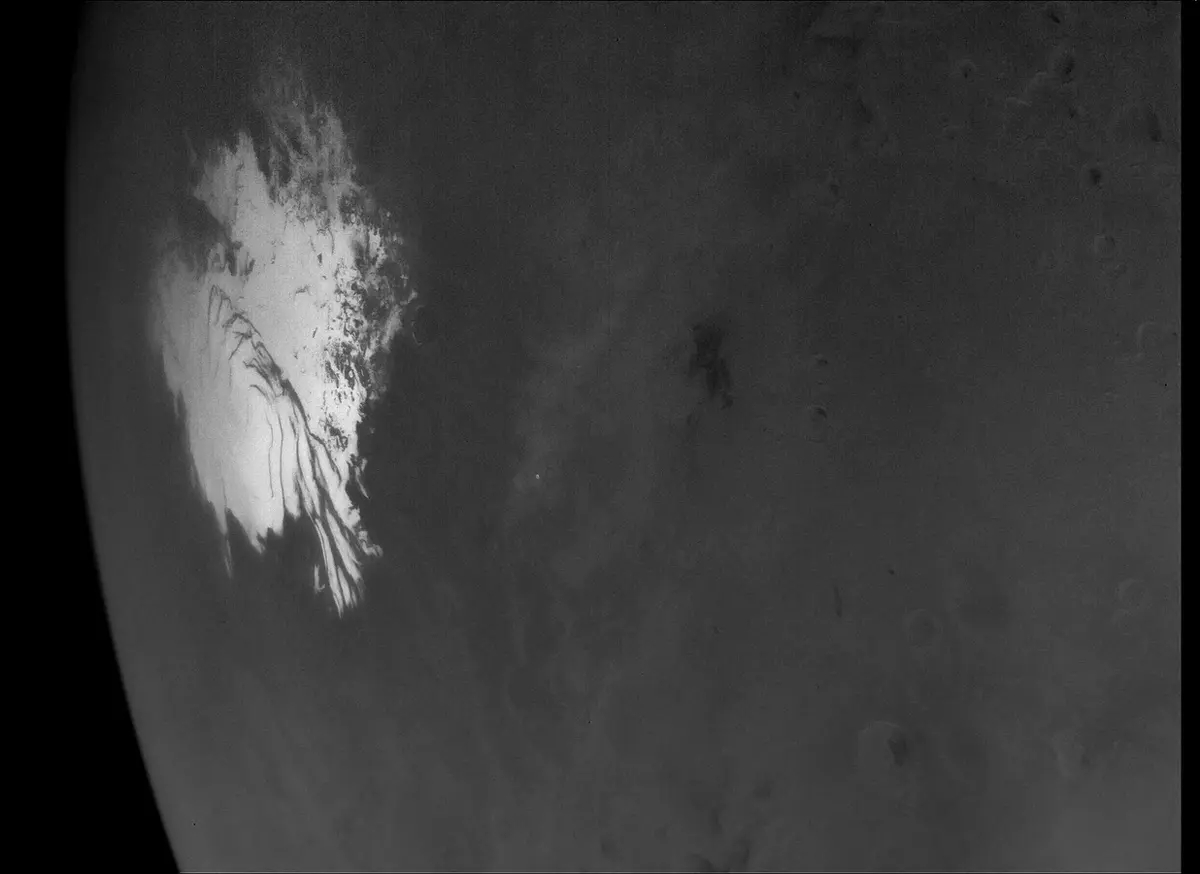
Mars hosts Olympus Mons, the largest known volcano in the Solar System, and Valles Marineris, a vast canyon system. Its poles contain water ice along with seasonal carbon-dioxide frost.
These features make Mars one of the most geologically varied worlds that robotic spacecraft can study in detail.
Why missions keep returning
Mars is close enough for repeated robotic exploration and preserves clues about how rocky planets change over time. Scientists are especially interested in its past habitability and the possibility that ancient environments could once have supported microbial life.
Orbiters, landers and rovers each add a different layer of evidence, from global mapping to close-up rock chemistry.
FAQ
Why is Mars red?
Iron-bearing minerals in the surface have oxidized, producing the rusty color seen across much of the planet.
Did Mars once have liquid water?
Yes. Ancient valleys, deltas, lake deposits and minerals provide strong evidence that liquid water existed on the surface in the past.
Why do scientists keep sending missions to Mars?
Mars is accessible, geologically rich and preserves evidence about past climate and possible ancient habitability.