
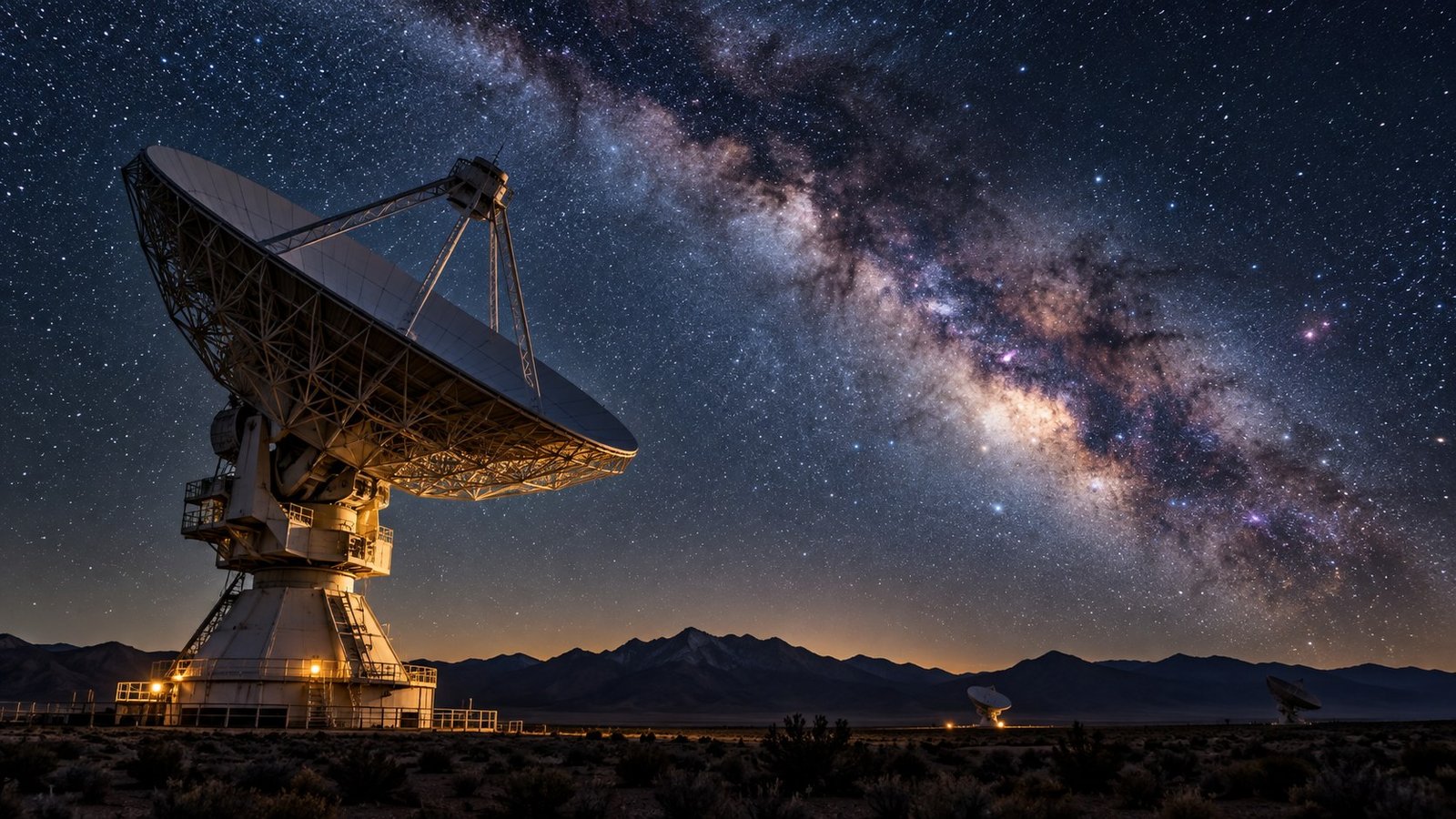
The scientific search for life beyond Earth is not a hunt for movie-style aliens. It is a broad investigation of environments, chemistry and signals that could be difficult to explain without biology or technology.
Start with habitability, not with assumptions
Life on Earth needs liquid water, useful chemistry and sources of energy, but scientists are careful not to assume every living system must copy Earth exactly. Habitability studies therefore focus on physical conditions that could support complex chemistry for long periods.
Mars, icy moons such as Europa and Enceladus, and planets around other stars all offer different natural laboratories.
Looking for biosignatures
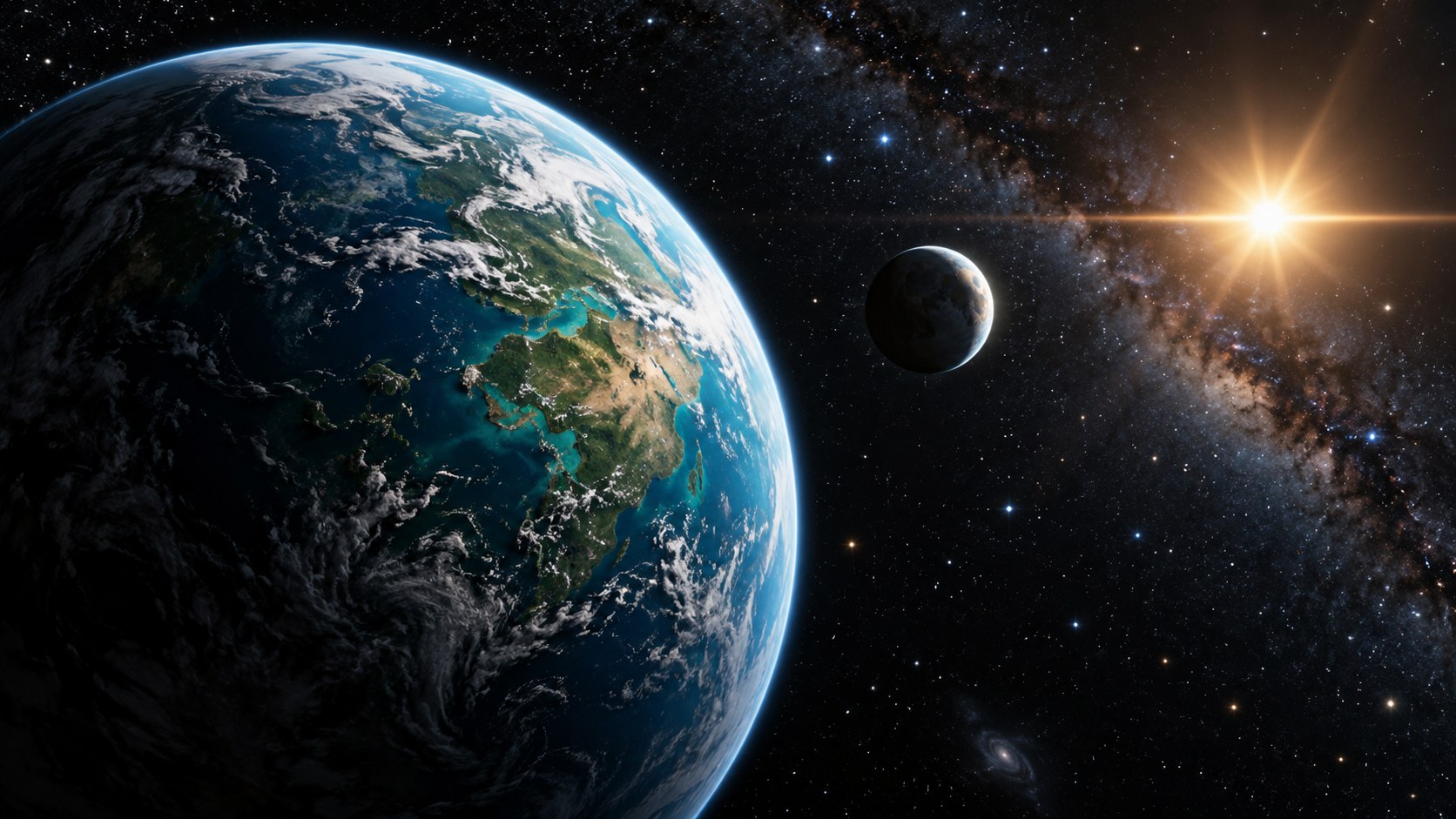
A biosignature is a substance, pattern or process that might indicate life. In an exoplanet atmosphere, scientists may search for combinations of gases that are difficult to maintain together without continuous chemical replenishment.
No single gas is a guaranteed proof. Geological and photochemical processes can mimic some biological signals, so researchers examine the whole planetary context.
Listening and looking for technology
Technosignature searches ask whether advanced technology could produce detectable signals or structures. Radio searches are the best-known example, but researchers also consider optical pulses, unusual atmospheric pollutants and other possibilities.
The challenge is separating a truly unusual signal from human interference, natural astrophysical sources and instrument effects. Repetition and independent confirmation are essential.
Our Solar System is still a major target
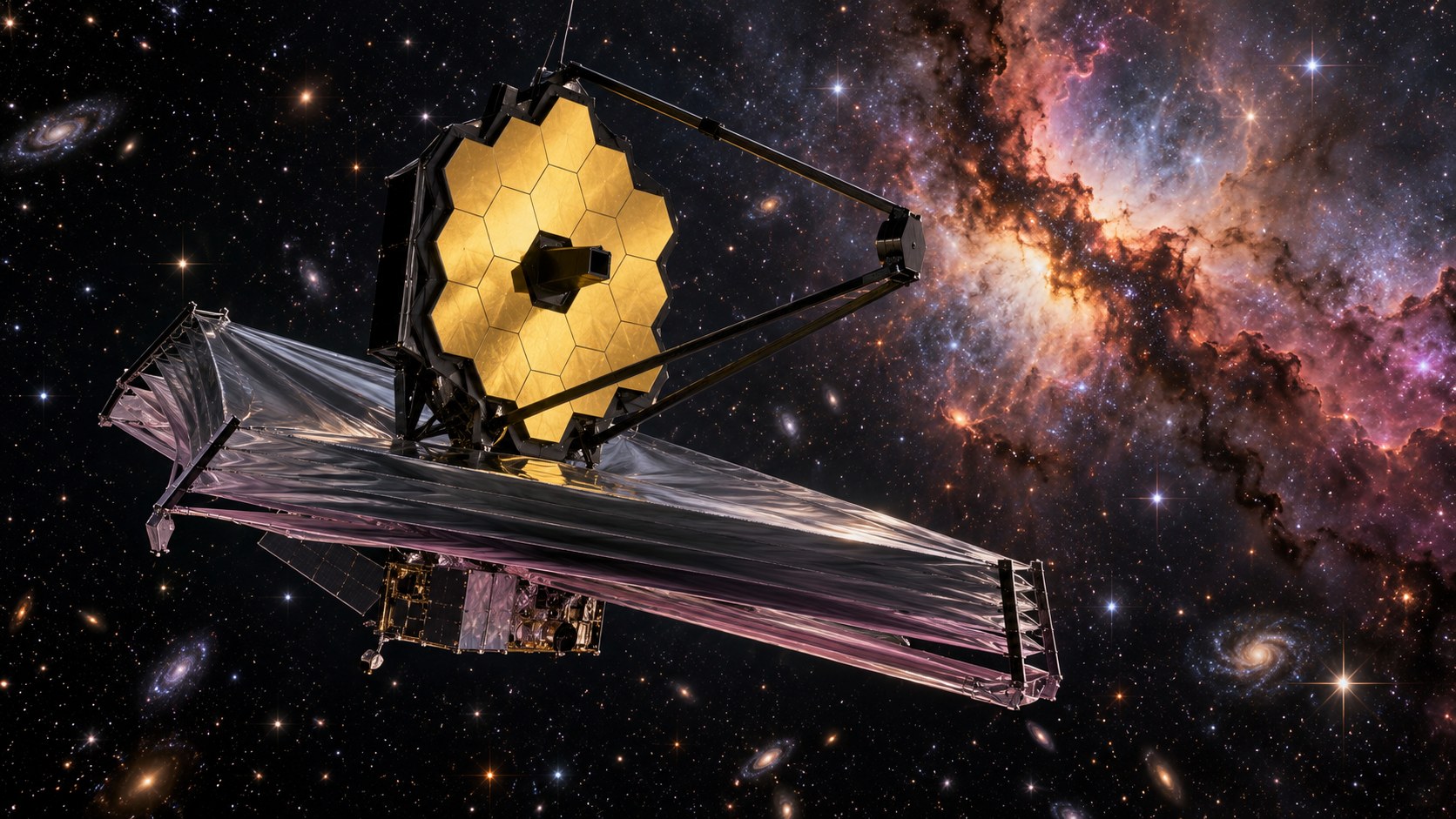
Nearby worlds allow direct measurements that are impossible for distant exoplanets. Mars missions can analyze rocks and sediments, while future missions to ocean worlds can investigate environments beneath or near icy surfaces.
Even a negative result teaches us something about where life can and cannot persist.
What would count as convincing evidence?
Extraordinary claims require a chain of evidence. Scientists would want multiple independent measurements, clear exclusion of non-biological explanations, and confirmation by different teams or instruments.
A discovery of life beyond Earth would be one of the most important results in science, which is exactly why the standard of evidence must be exceptionally high.
FAQ
Have scientists found alien life yet?
No confirmed detection of life beyond Earth has been made so far.
What is a biosignature?
A biosignature is a substance or pattern that might indicate biological activity, though no single candidate is proof on its own.
Why are Europa and Enceladus interesting?
Because both moons are thought to host liquid-water oceans beneath their icy shells, making them important places to test ideas about habitability.