
2026 has already delivered major milestones, and the final months of the year still have launches and spacecraft operations worth following. Mission schedules can move, so the best way to use any calendar is as a guide rather than a promise.
Artemis II made 2026 a historic lunar year
NASA’s Artemis II launched in April 2026 on a nearly ten-day crewed voyage around the Moon. It was the first crewed flight of Orion and carried four astronauts on a circumlunar mission.
The mission is important because it tested systems and operations needed for later Artemis flights while returning humans to deep-space travel beyond low Earth orbit.
Roman has begun its journey
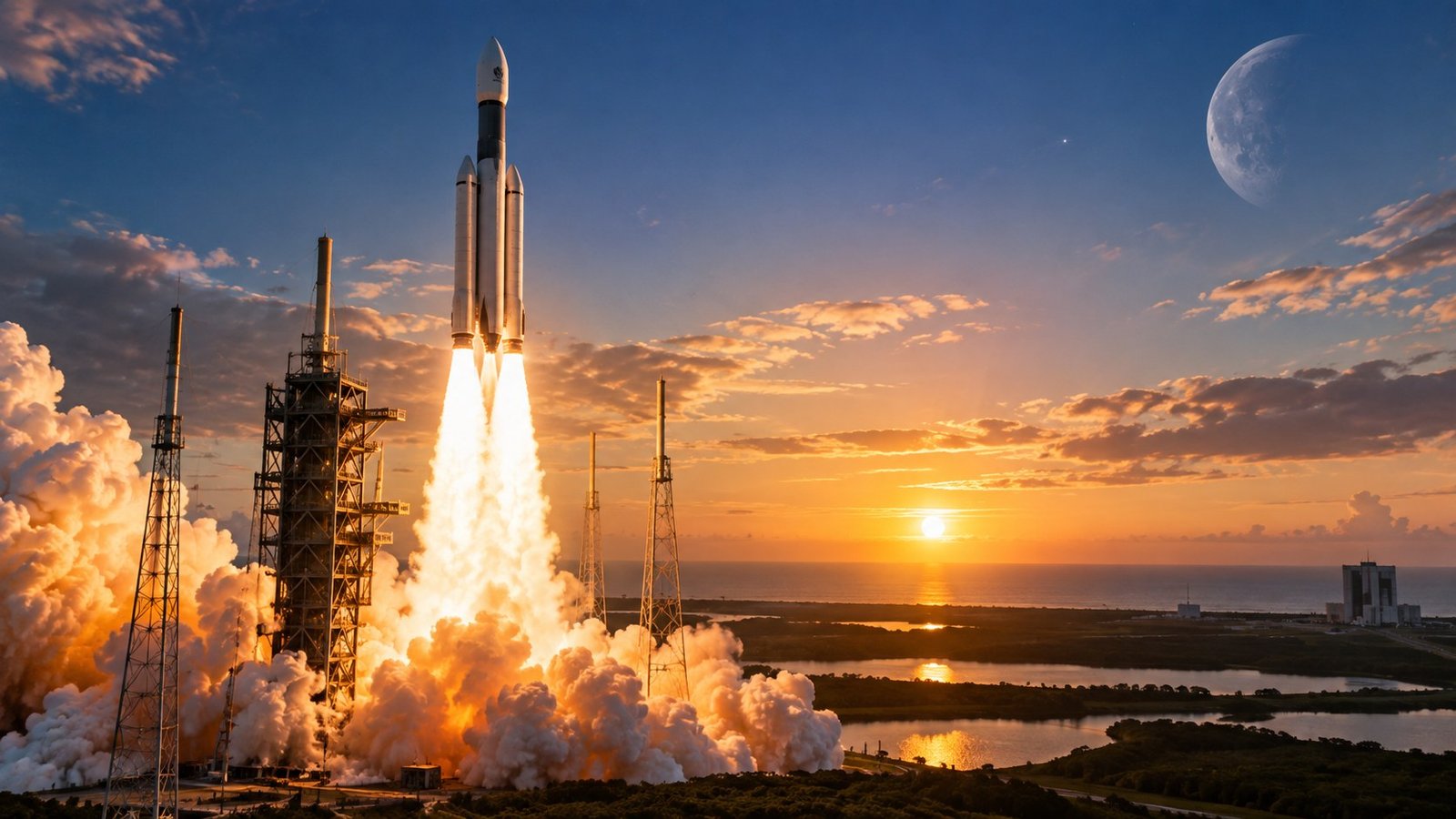
NASA’s Nancy Grace Roman Space Telescope launched on August 30, 2026 aboard a Falcon Heavy. After launch, the observatory began deployments and checkout work on the way to its operating region near Sun-Earth L2.
Roman is designed for wide-field surveys that will investigate dark energy, dark matter, exoplanets and many other astrophysical questions. Its enormous data sets will complement the narrower, highly detailed observations made by telescopes such as Webb.
Earth-observation launches remain active
ESA’s FLEX and Copernicus Sentinel-3C are scheduled to launch together on Vega-C in mid-September 2026. FLEX will study plant fluorescence, while Sentinel-3C is part of Europe’s Earth-monitoring program.
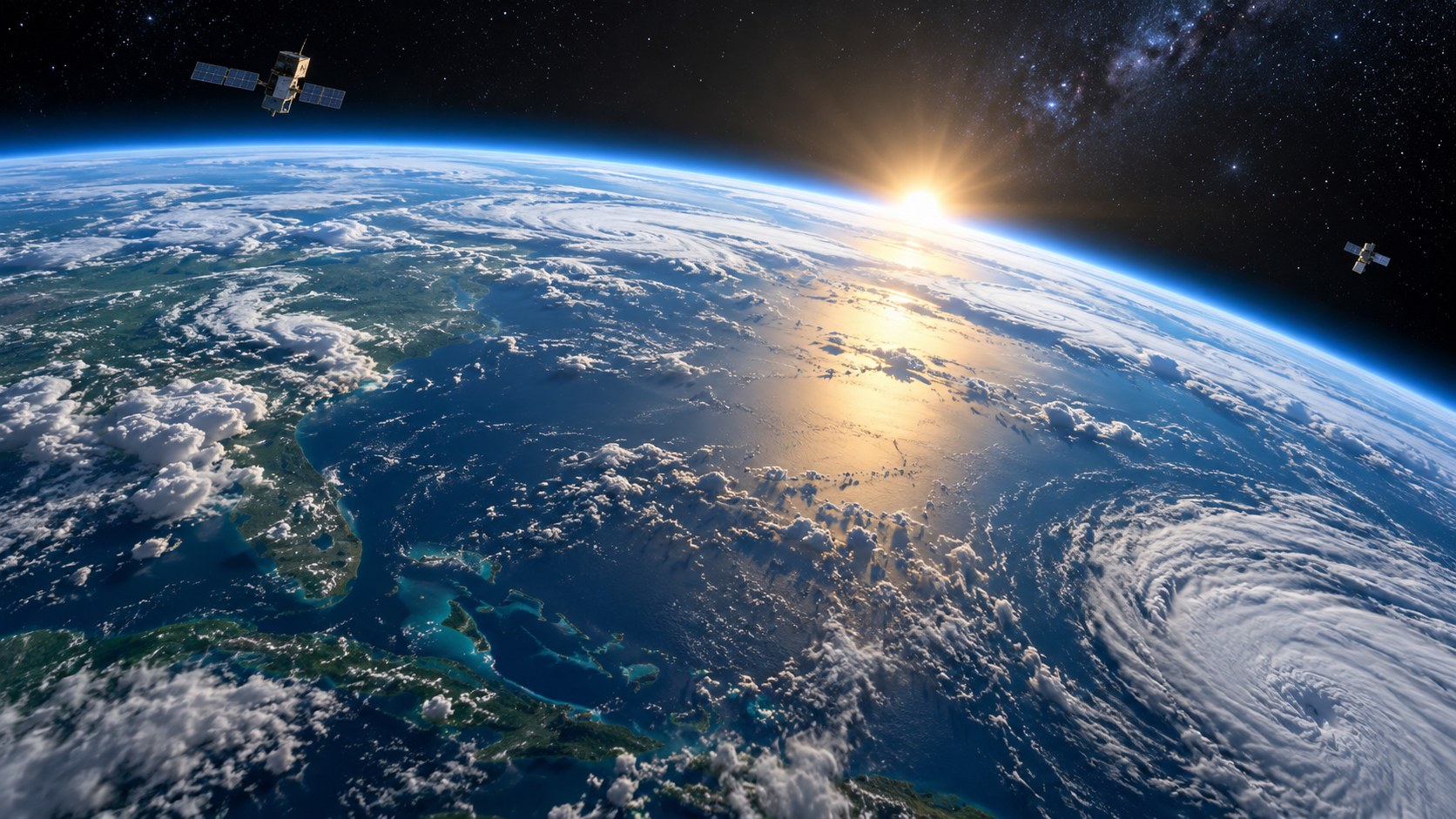
Earth-observation missions may look less dramatic than crewed flights, but they are central to climate science, weather, agriculture, ocean monitoring and environmental research.
Space-station traffic continues
NASA’s launch schedule lists additional crew and cargo missions for the International Space Station, including JAXA HTV-X2 no earlier than September and Crew-13 no earlier than late September. Cargo flights and crew rotations are a reminder that human spaceflight depends on a steady logistics network.
Dates can change because of vehicle readiness, weather, range availability and technical reviews.
How to follow mission schedules accurately
For time-sensitive mission news, use the official launch calendars and mission pages from NASA, ESA and other space agencies. Social posts and old articles can easily retain outdated dates after a delay.
The most useful habit is to check the mission page again near launch day. A “no earlier than” date means exactly that: the mission will not launch before that point, but it may move later.
FAQ
Why do mission dates move so often?
Space missions depend on technical readiness, weather, range availability and safety reviews, so schedule shifts are common.
Why is 2026 interesting beyond crewed missions?
Because observatories and Earth-science spacecraft often produce long-lasting scientific returns that continue well after launch day.
Where should I check for the latest schedule?
Mission pages and launch schedules from NASA, ESA and the responsible agency are the most reliable places to look.